

Natural stone
Rajasthan sandstone: warm, textured natural stone
A versatile sedimentary stone for paving, cladding and landscapes.
Material overview
About Sandstone
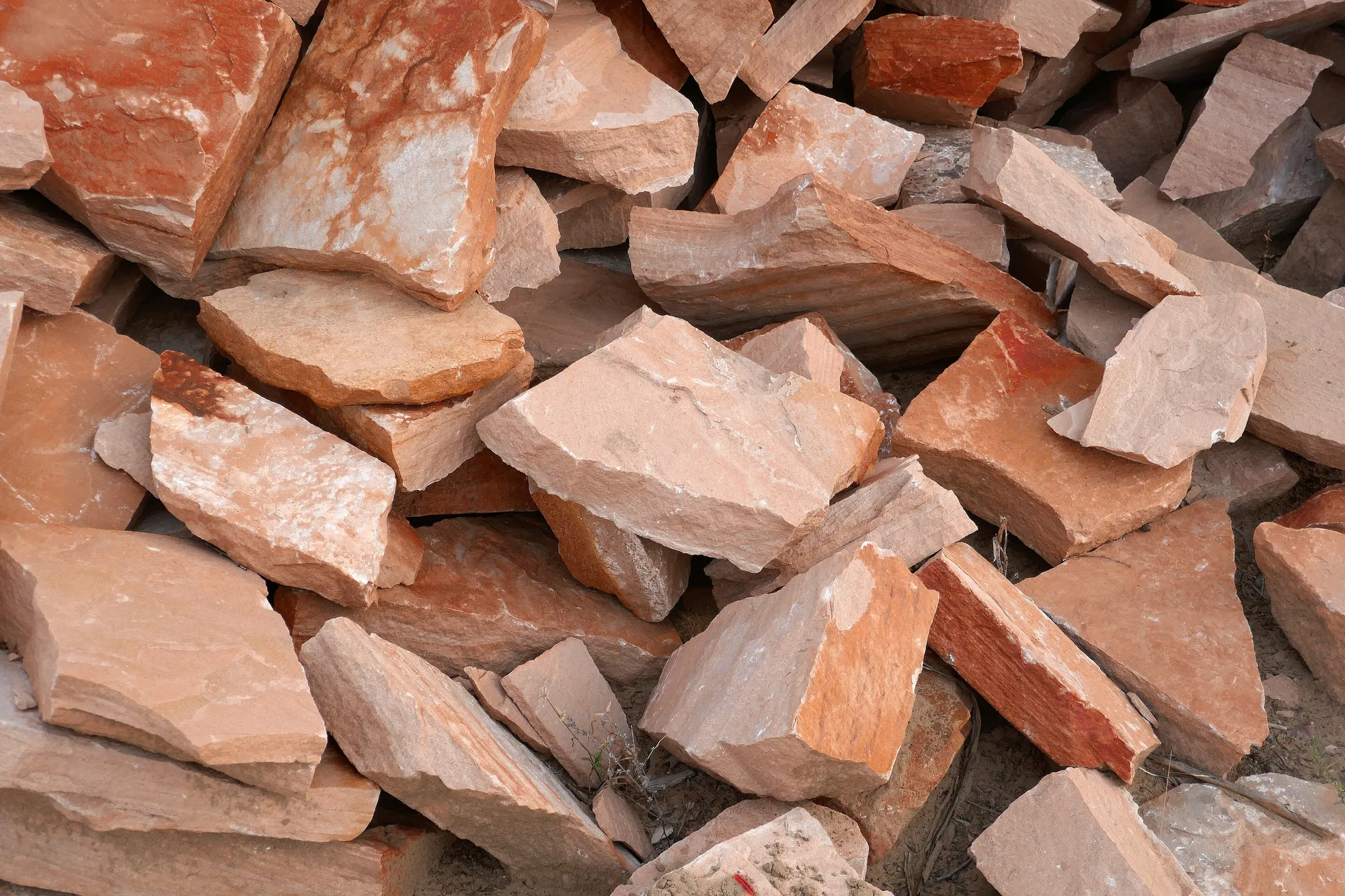
Sandstone is a sedimentary rock made of sand-sized grains cemented together. It is available in warm red, pink, buff, beige and grey tones, with a natural grain that suits both traditional and contemporary design.
Rajasthan is celebrated for its sandstone, and the stone has long been used for forts, palaces, temples and homes across the region. Today it is also specified for paving, cladding and gardens around the world.
Key characteristics
What defines this material.
Natural grip
Textured surfaces give good slip resistance.
Warm colours
Reds, pinks, buffs and greys.
Workable
Easily cut, split or carved.
Breathable
Suited to many climates when correctly specified.
Common applications
Where sandstone is typically used.
Garden paving
Patios, paths and terraces.
Wall cladding
Interior and exterior walls.
Steps and copings
Stair treads, pool surrounds and wall caps.
Public spaces
Plazas and pedestrian areas.
Garden walls
Dry-stone and mortared walls.
Carved elements
Jaali screens, sculpture and architectural details.
Common finishes
Finish changes appearance, grip and maintenance.
Natural split
Rough cleaved face with a rustic look.
Sawn
Clean-cut surface for uniform laying.
Honed
Smooth matte surface for interiors.
Brushed
Softened texture for outdoor use.
Technical information
Typical ranges for this stone family.
| Rock type | Sedimentary (cemented sand grains) |
|---|---|
| Density | About 2.0 to 2.7 g/cm³ |
| Water absorption | Varies widely, roughly 0.5% to 10% |
| Compressive strength | Varies widely, roughly 20 to 170 MPa |
| Hardness | Depends on grain and cement |
Values are typical for the material family and vary by deposit and block. They are not a guarantee for any specific batch. Request test reports for your project where they are needed.
Project suitability considerations
- Variation: sandstone varies significantly between deposits. Confirm the specific quarry type before large orders.
- Porosity: denser types suit wet and frost-prone sites. Ask about absorption for your climate.
- Laying: allow for natural thickness variation when paving.
- Sealing: optional, to deepen colour and ease cleaning.
Sandstone images
Reference photographs. Author and licence appear under each image.
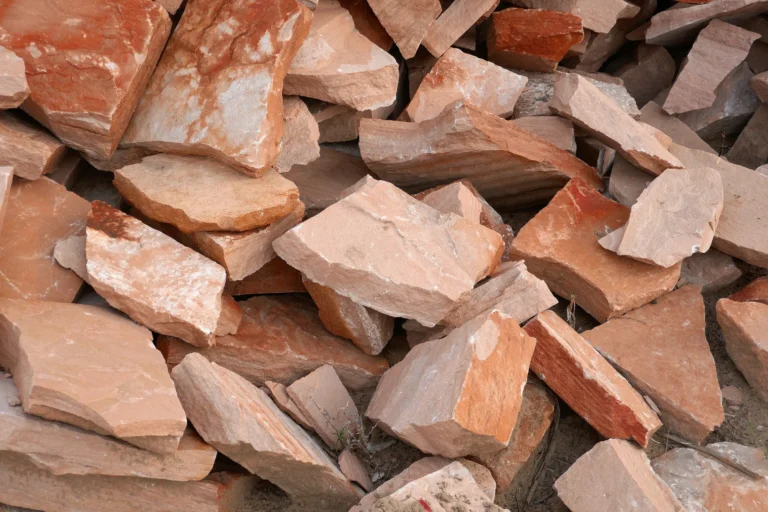
Rajasthan Red Sandstone, Thar Desert 
Rajasthan Red Sandstone Fence Slabs 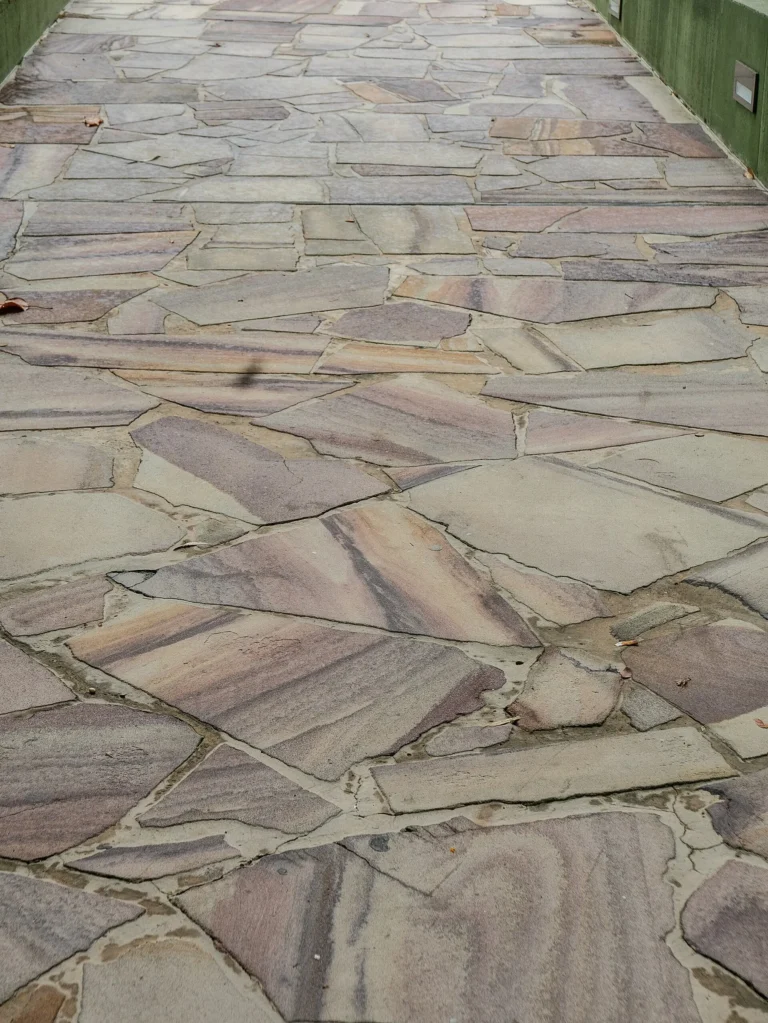
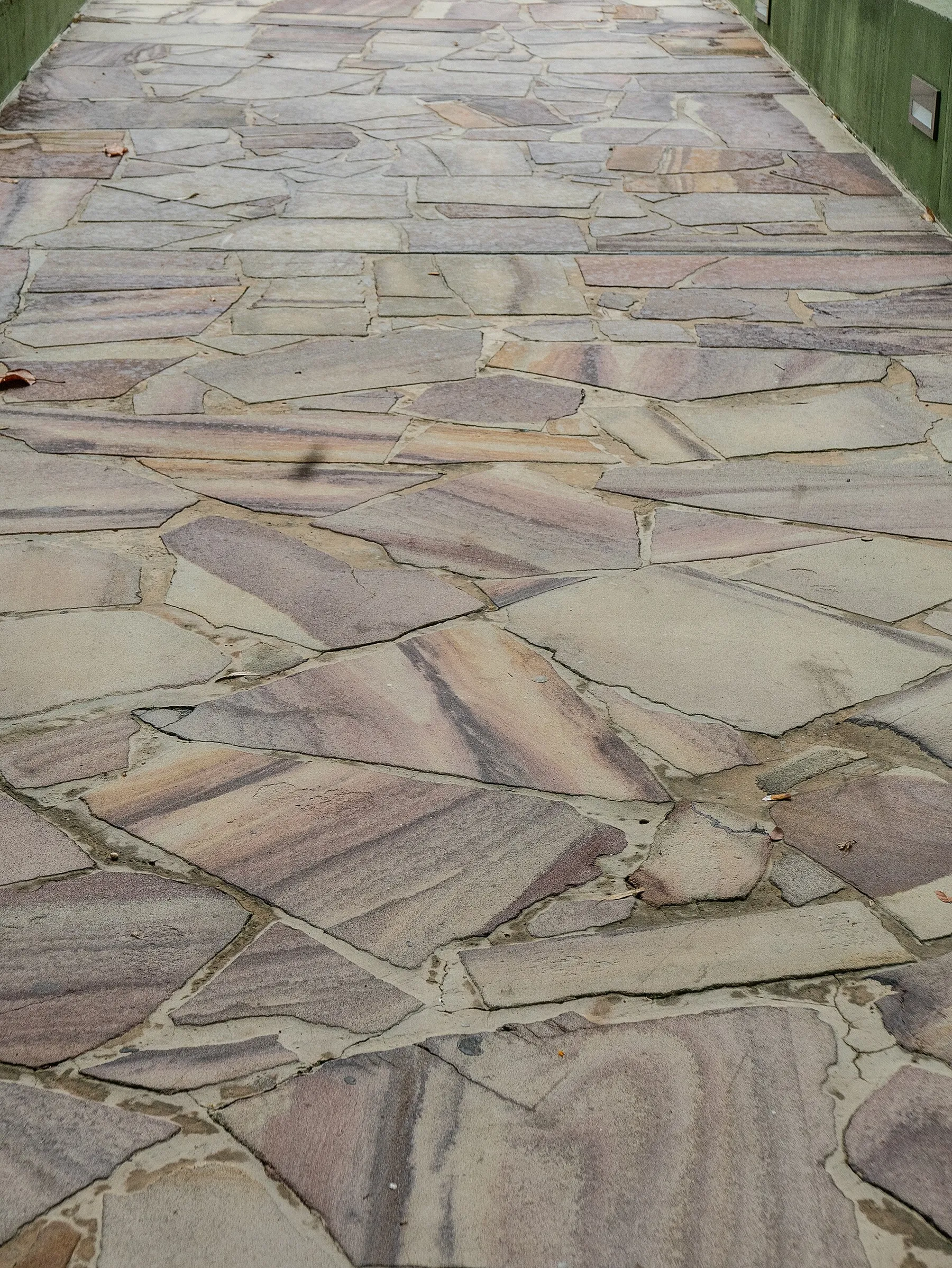
Natural Sandstone Paving Pathway 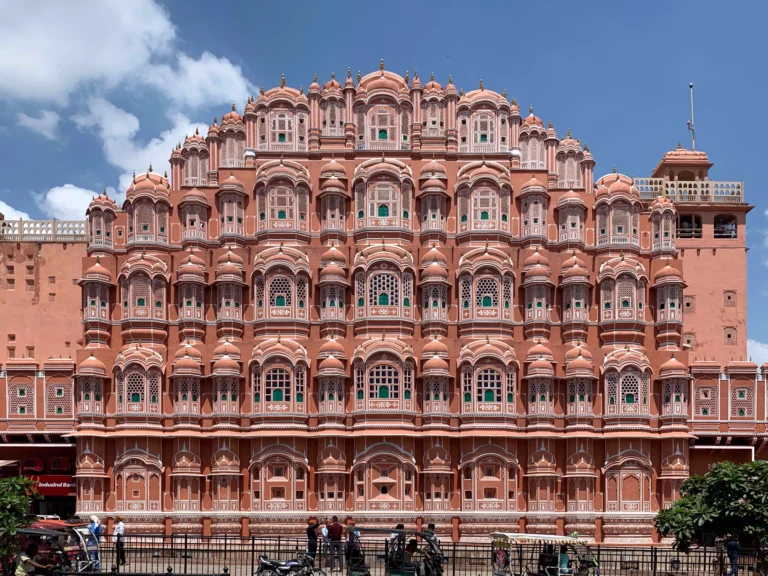
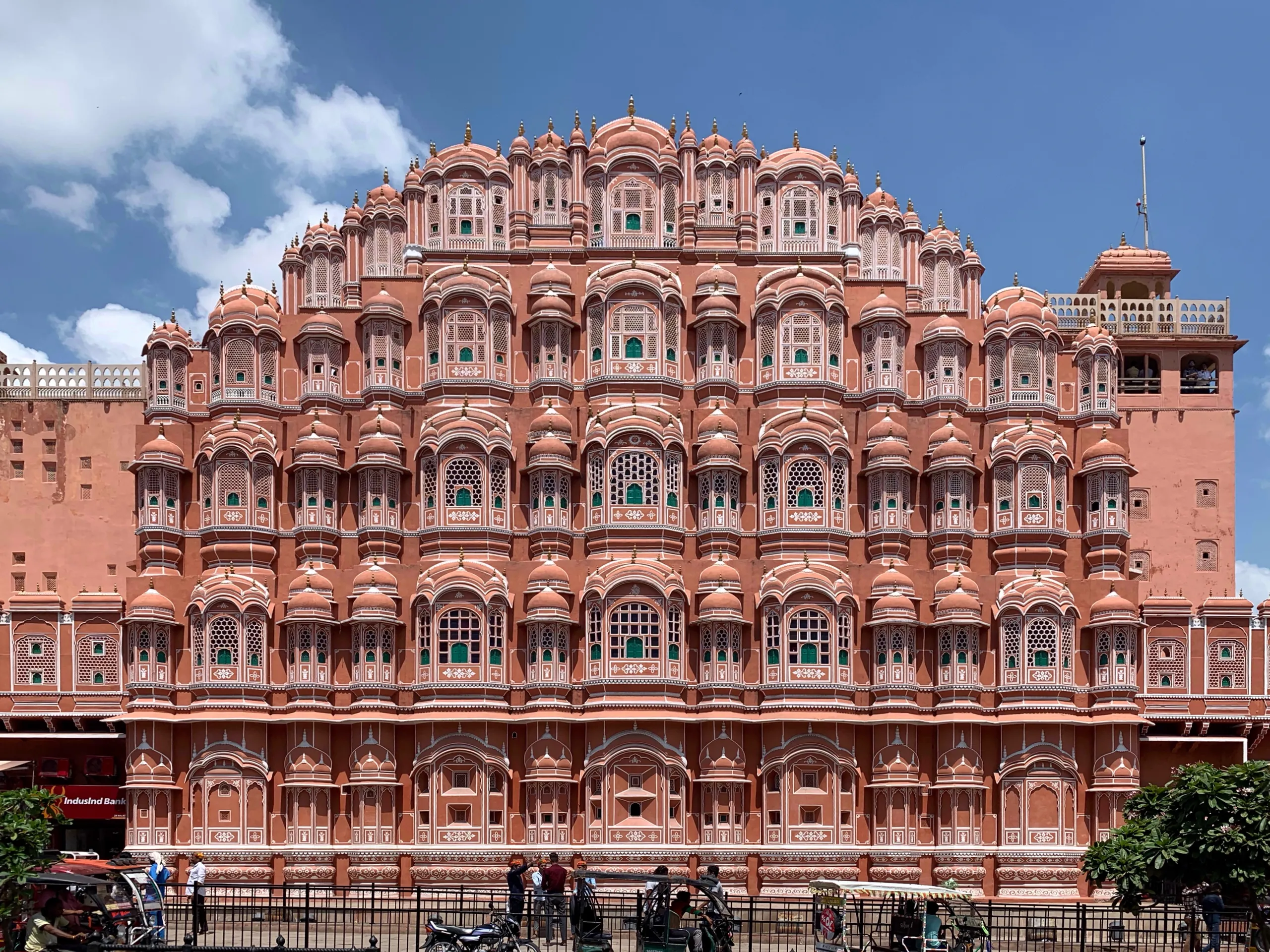
Hawa Mahal, Jaipur (red sandstone) 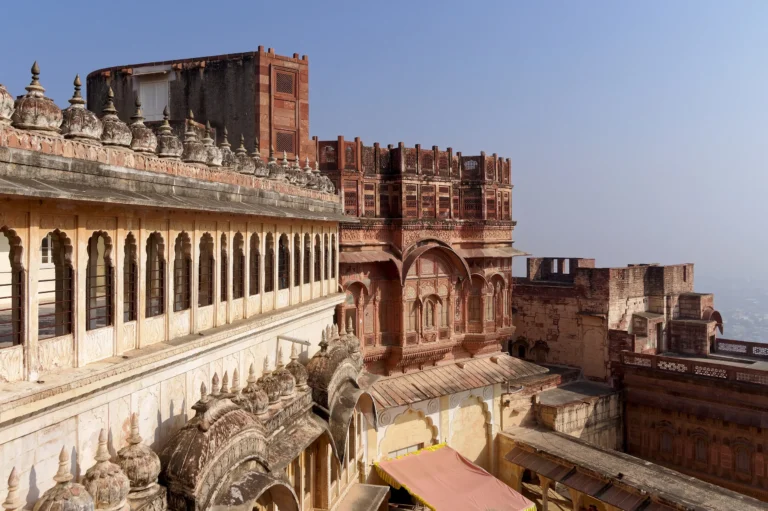
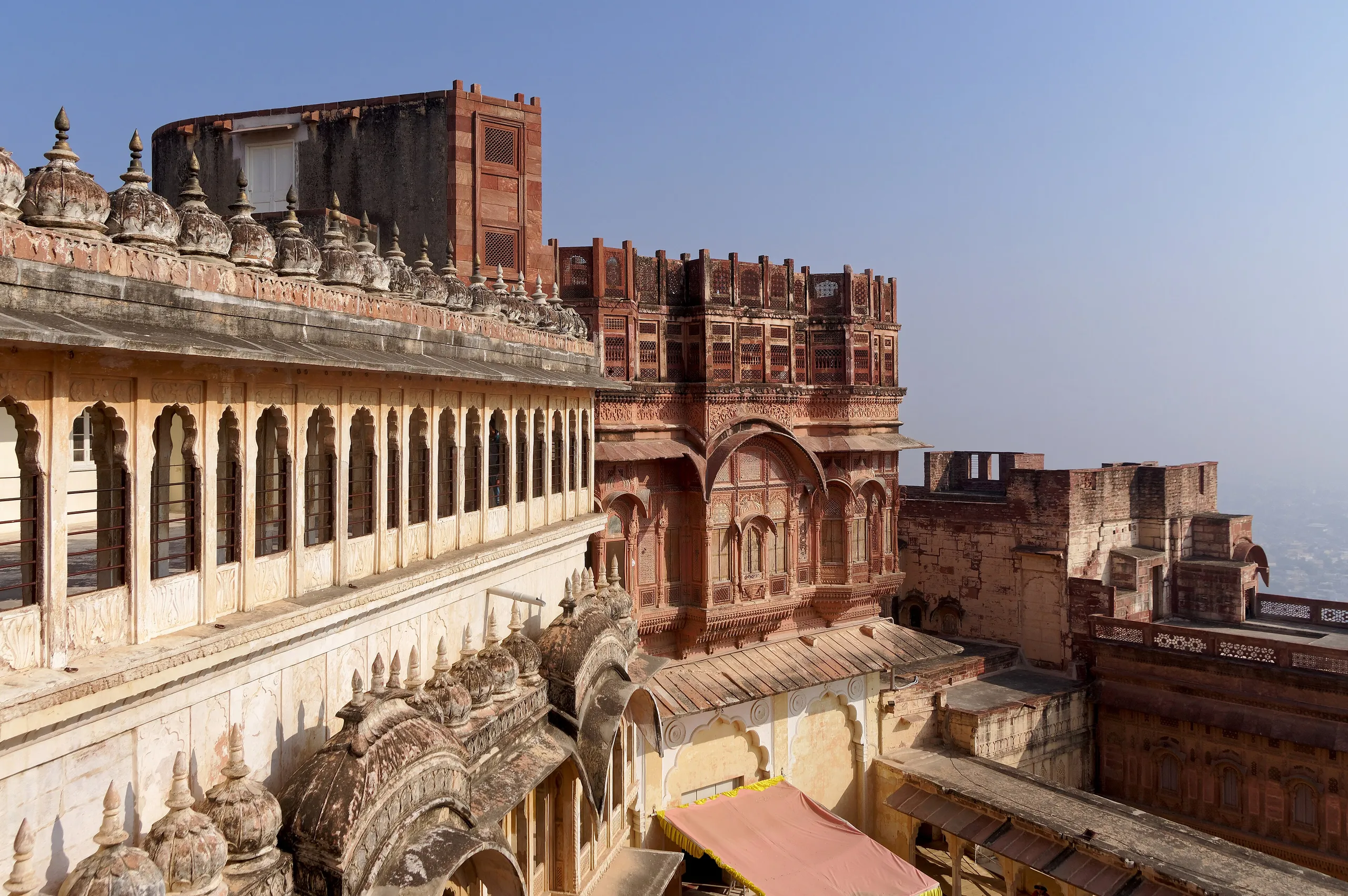
Mehrangarh Fort, Jodhpur (sandstone) 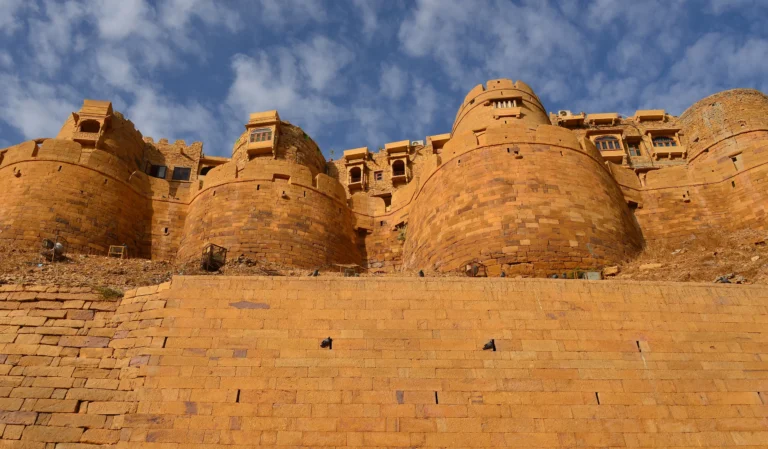
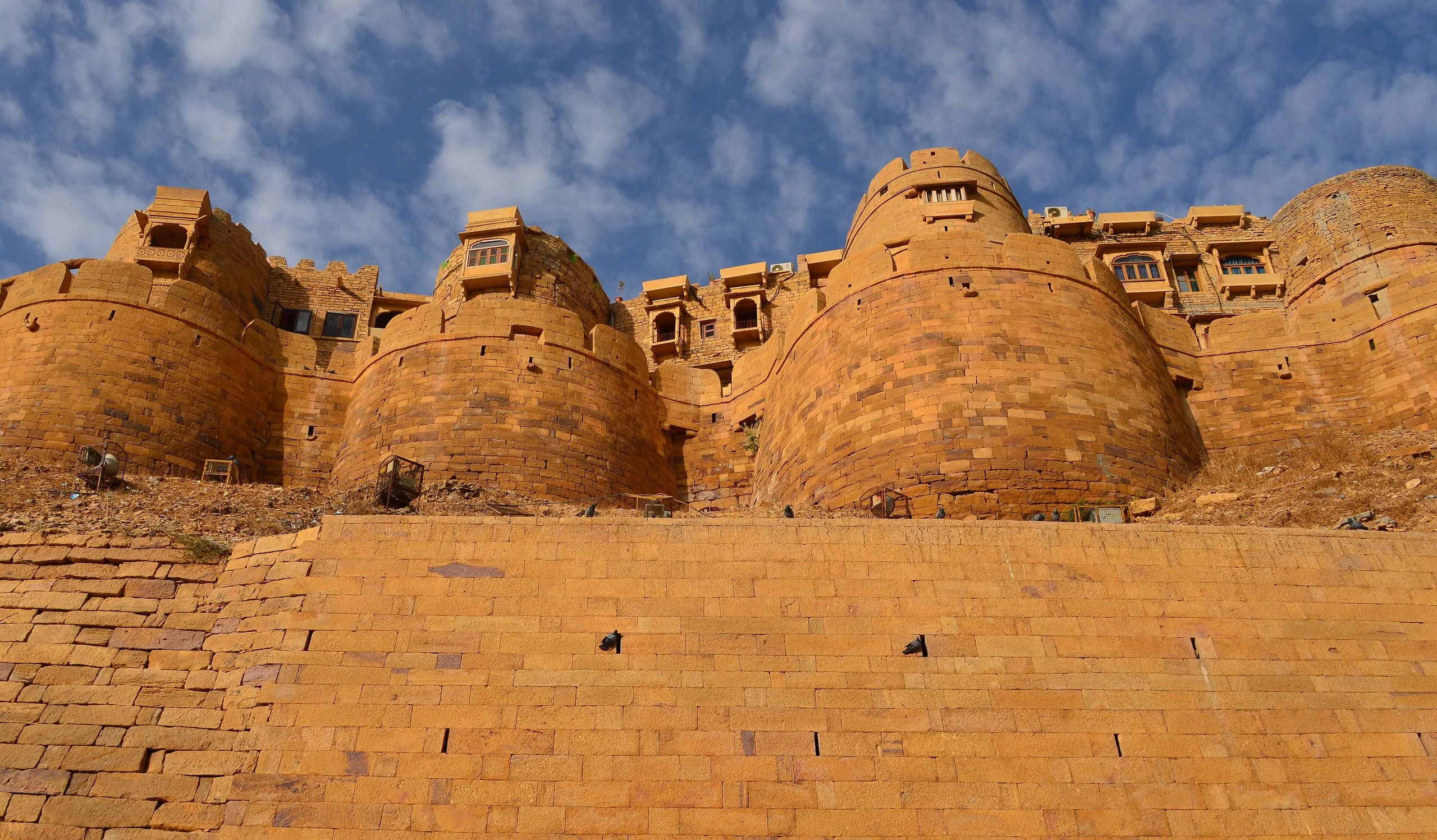
Jaisalmer Fort (golden sandstone)
FAQ
Sandstone: buyer questions
Yes, particularly with a natural or flamed texture. Choose a denser variety for wet or freeze-thaw conditions.
Colour can soften slowly with weathering. Sealing can help preserve depth of colour.
Availability changes. Tell us the tone and format you want, and we will confirm for your enquiry.
Need Sandstone for a project?
Tell us the format, finish, quantity and destination.
Related
Related natural stones
Explore other materials often considered alongside this one.
Enquire about Sandstone
Tell us the size, finish, quantity and destination. We will confirm availability and send a quotation. Availability is confirmed per enquiry.
Helpful to include
- Stone type, size, thickness and finish
- Approximate quantity and delivery port
- Timeline and any documents you need