

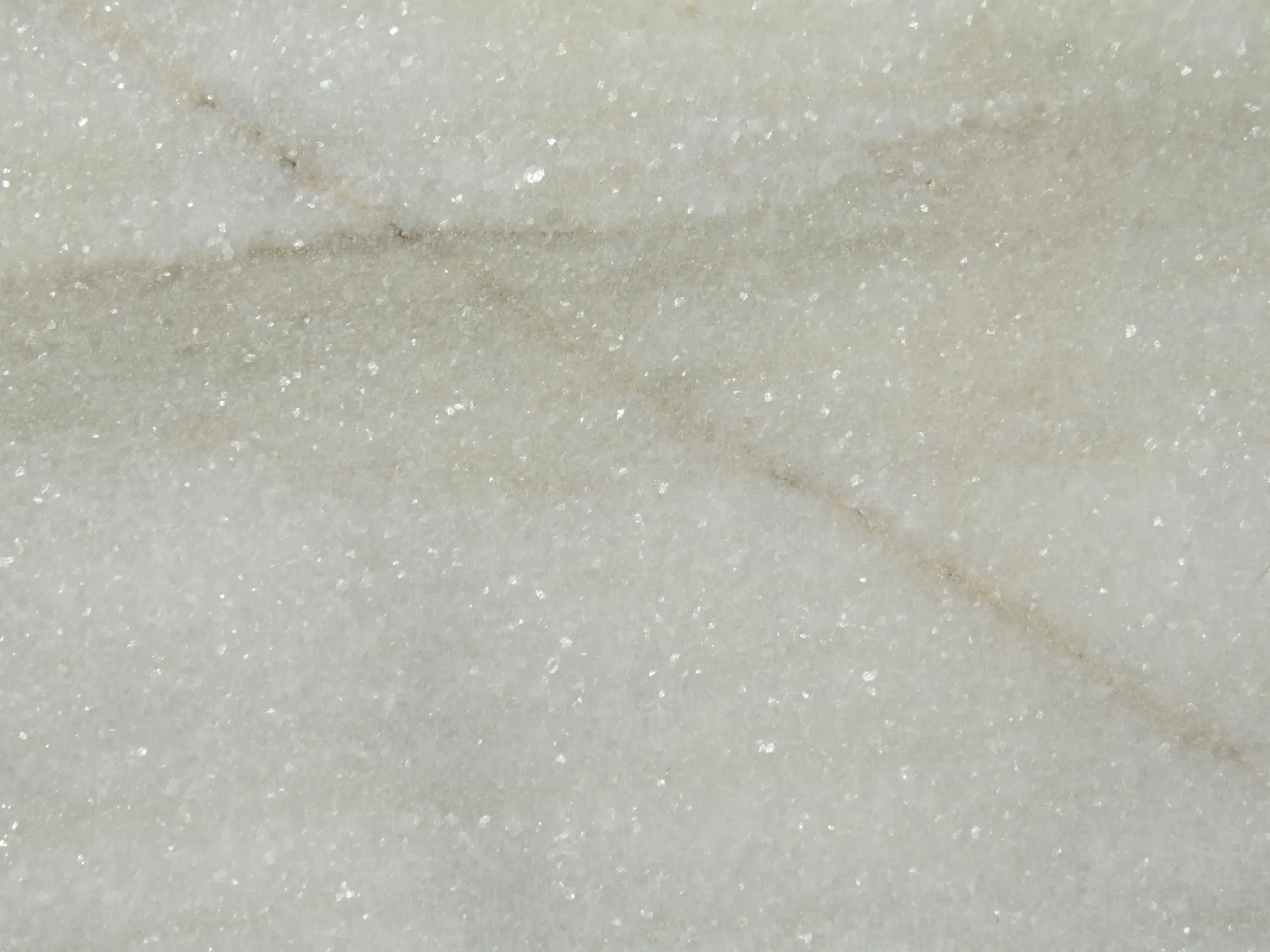
Natural stone
Marble: classic natural stone for interiors
Veined, polished stone for floors, walls and feature surfaces.
Material overview
About Marble
Marble is a metamorphic rock formed when limestone is recrystallised under heat and pressure. Its soft, crystalline structure takes a high polish and often carries the flowing veins that make each slab distinct.
India, and Rajasthan in particular, has a long marble-working tradition, and buyers can choose from white, cream, beige, green and other tones.

Key characteristics
What defines this material.
Distinctive veining
No two slabs are identical.
Takes a high polish
Reflective, luxurious surface.
Cool to the touch
Pleasant underfoot in warm climates.
Needs care
Softer than granite and sensitive to acids.
Common applications
Where marble is typically used.
Interior flooring
Halls, lobbies and living spaces.
Wall surfaces
Feature walls and bathroom cladding.
Vanity tops
Bathrooms and powder rooms.
Staircases
Steps and balustrades.
Hospitality interiors
Reception areas and public interiors.
Decorative objects
Inlay work, sculpture and handicrafts.
Common finishes
Finish changes appearance, grip and maintenance.
Polished
Glossy, colour-enhancing surface.
Honed
Matte surface that hides minor wear.
Brushed
Gently textured, antique look.
Tumbled
Softened edges and surface for a rustic feel.
Technical information
Typical ranges for this stone family.
| Rock type | Metamorphic (recrystallised limestone) |
|---|---|
| Density | About 2.5 to 2.8 g/cm³ |
| Water absorption | Typically below 0.5% |
| Compressive strength | Typically 70 to 140 MPa |
| Hardness | About 3 to 4 on the Mohs scale |
Values are typical for the material family and vary by deposit and block. They are not a guarantee for any specific batch. Request test reports for your project where they are needed.
Project suitability considerations
- Acid sensitivity: lemon juice, vinegar and some cleaners can etch polished marble. Use pH-neutral cleaners.
- Location: best suited to interiors. For heavy-wear floors or outdoors, consider granite or quartzite.
- Sealing: sealing reduces staining in kitchens and bathrooms.
- Slab matching: request book-matched or consistent slabs for feature walls.
Marble images
Reference photographs. Author and licence appear under each image.
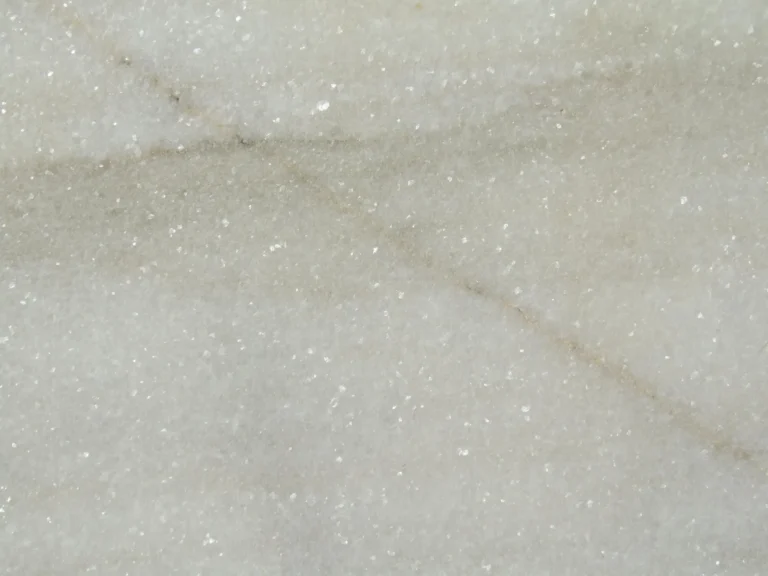
Natural Marble Blocks Pattern 
Polished Marble Floor, Interior Hall 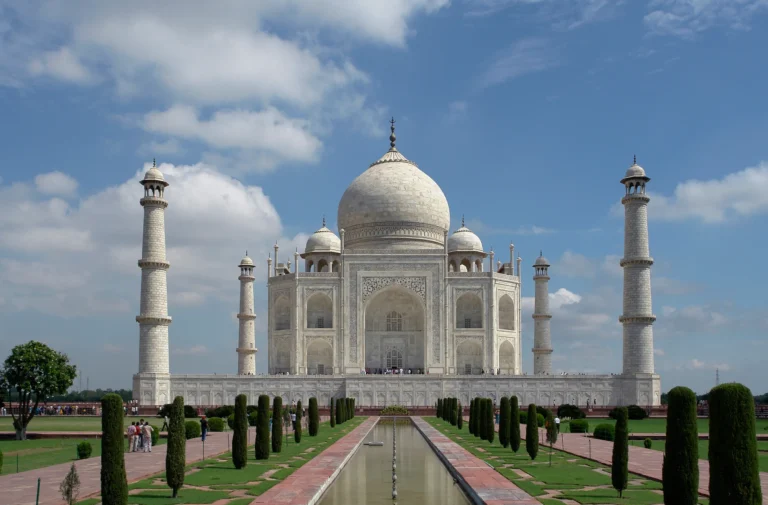
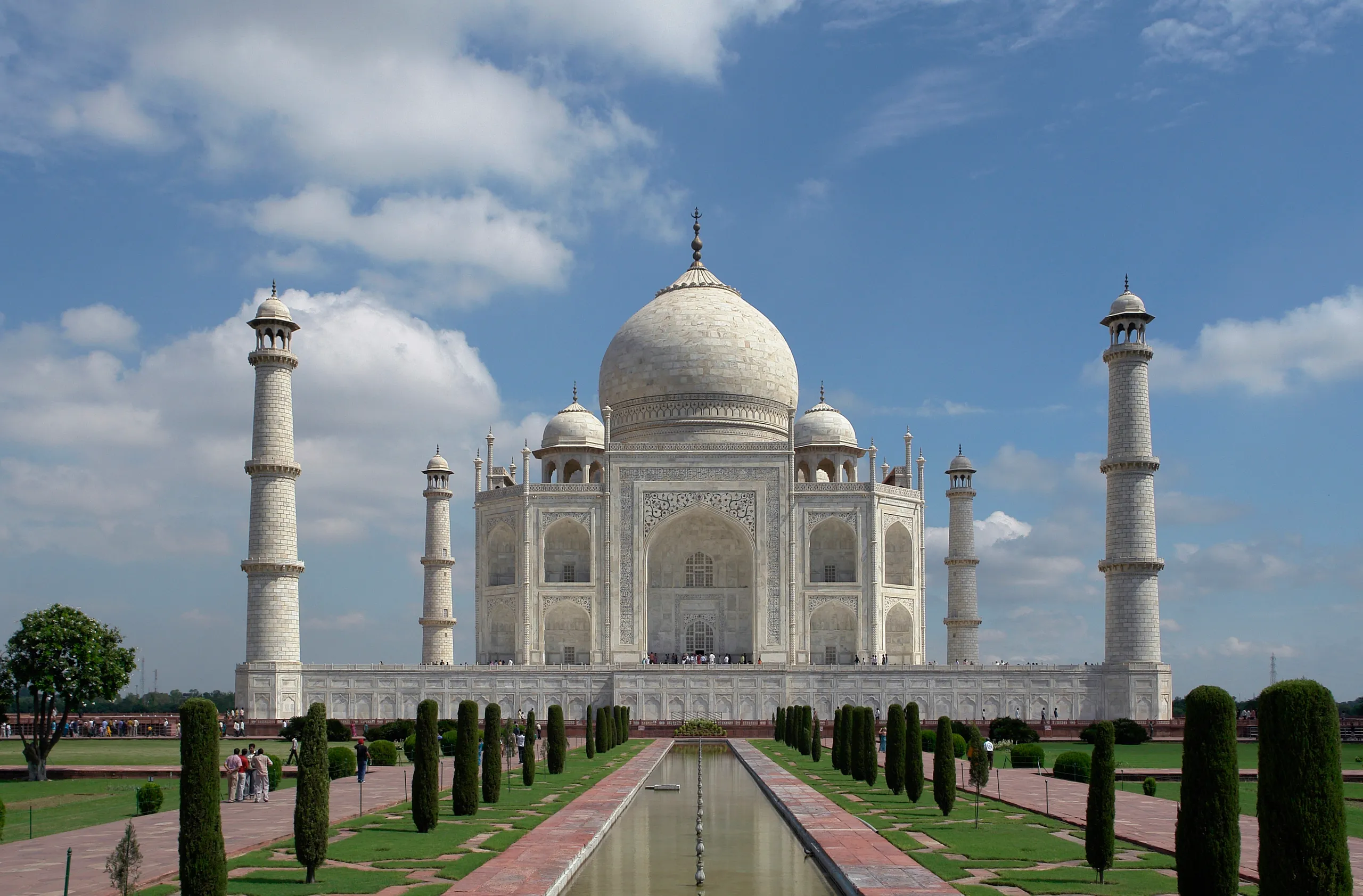
Taj Mahal, Agra (white marble) 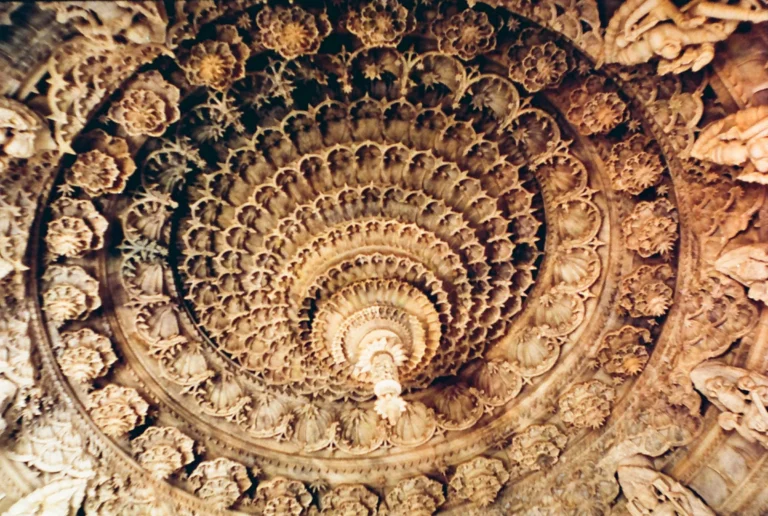
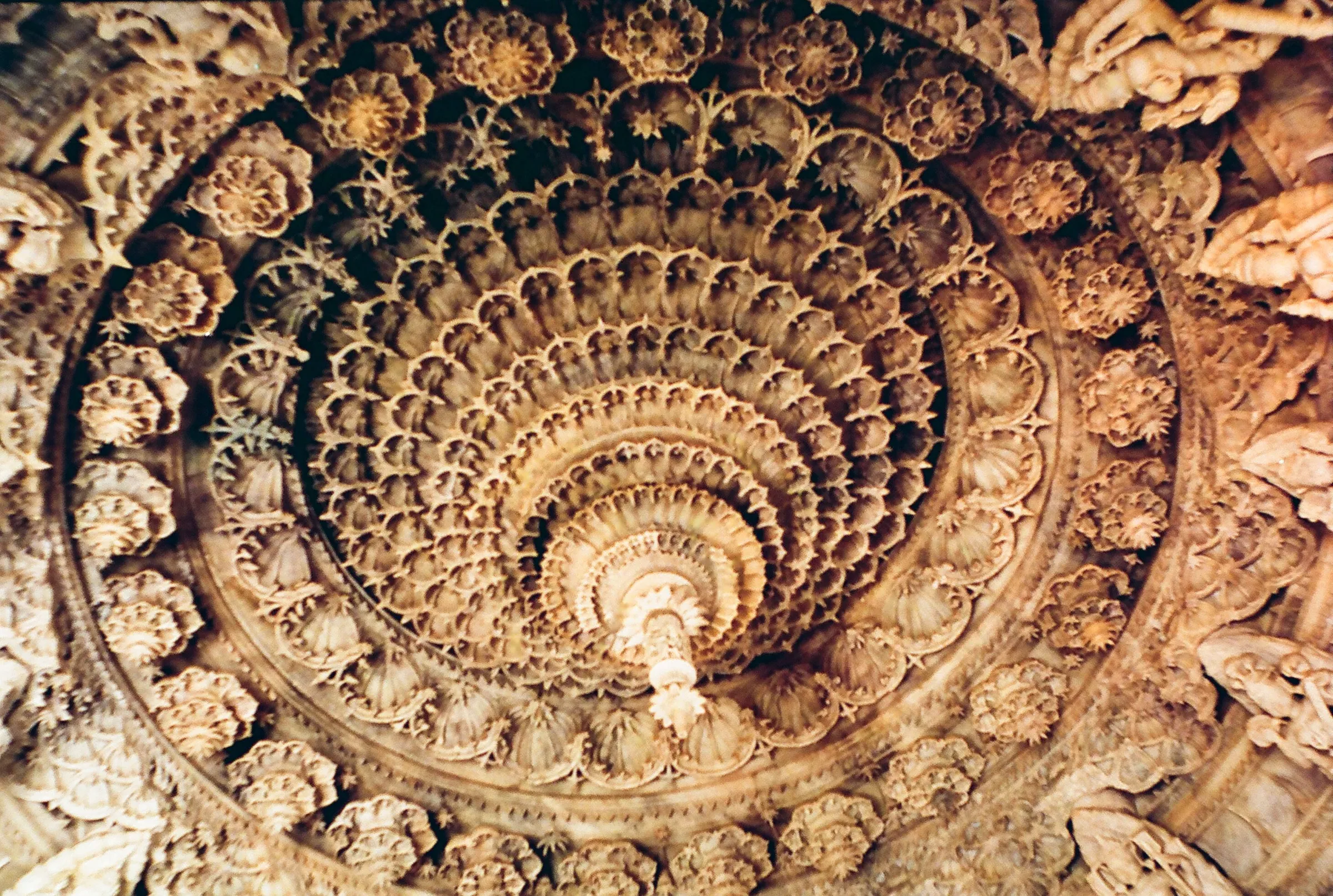
Dilwara Temples, Mount Abu (marble carving) 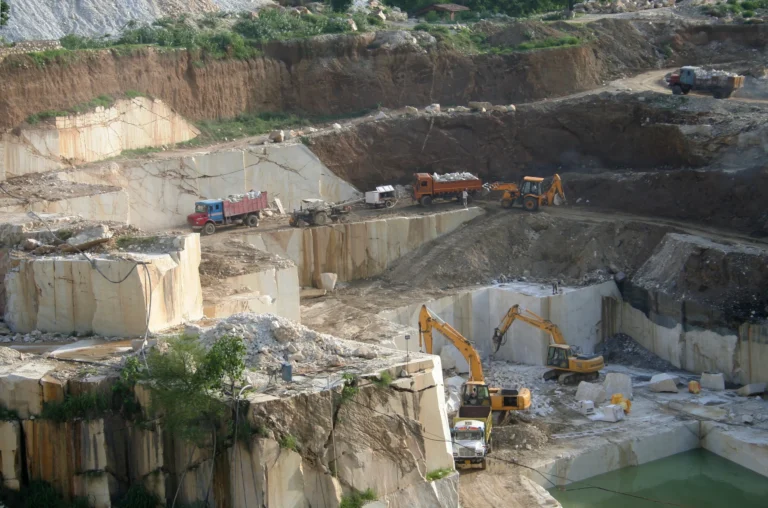
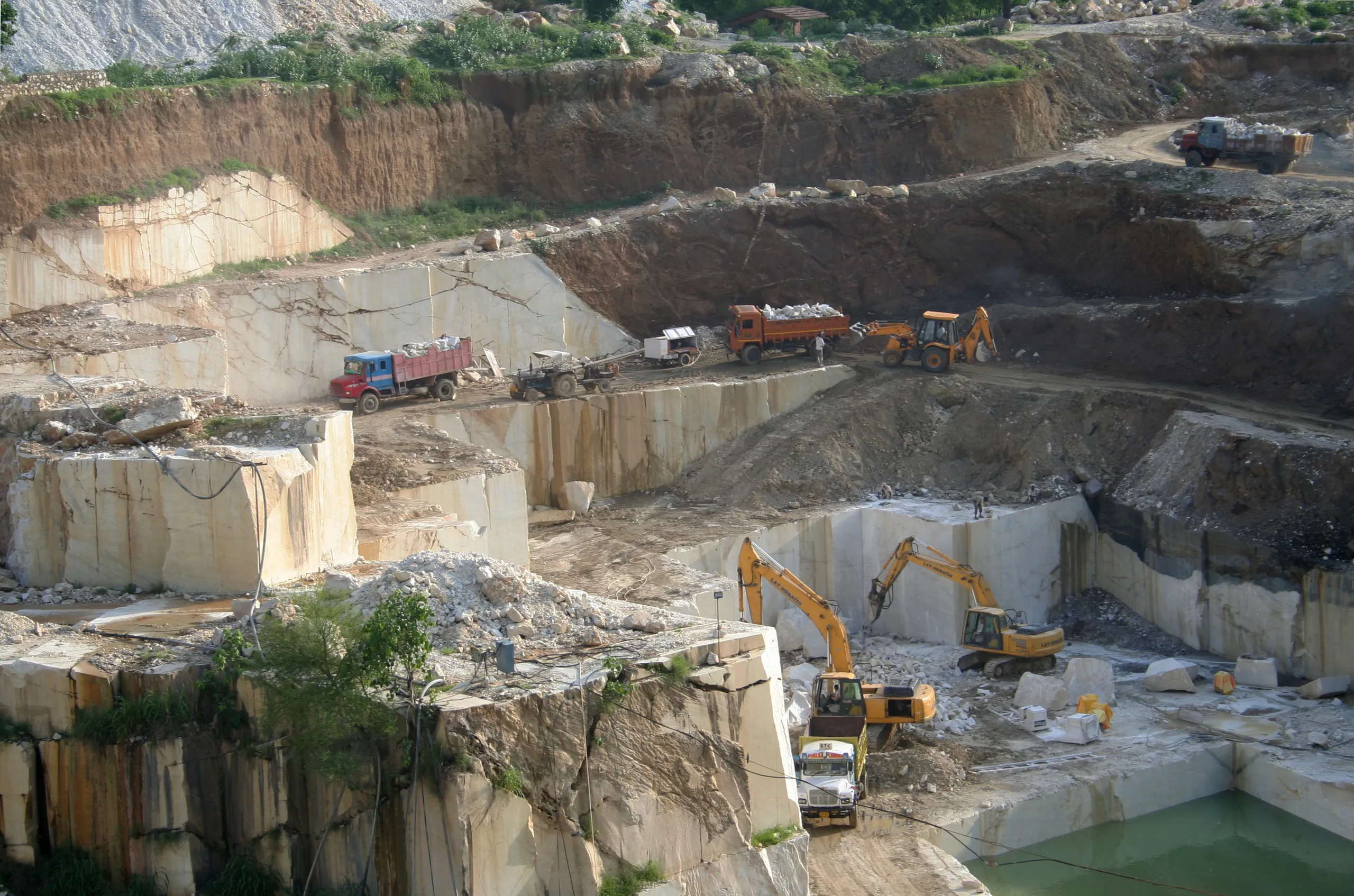
Marble Quarry near Jaipur, Rajasthan
FAQ
Marble: buyer questions
Marble is porous enough to absorb liquids if left, and acids can etch the surface. Sealing and prompt cleaning help.
It is used, but honed finishes and sealing are advisable. For heavy daily use, many buyers prefer granite or quartzite.
Some marbles can, particularly in dry climates, but polished marble can be slippery and may weather. Discuss your conditions with us.
Need Marble for a project?
Tell us the format, finish, quantity and destination.
Related
Related natural stones
Explore other materials often considered alongside this one.
Enquire about Marble
Tell us the size, finish, quantity and destination. We will confirm availability and send a quotation. Availability is confirmed per enquiry.
Helpful to include
- Stone type, size, thickness and finish
- Approximate quantity and delivery port
- Timeline and any documents you need