

Natural stone
Landscaping stones for gardens and outdoor design
Flagstones, boulders, rockery stone and edging for natural-looking outdoor spaces.
Material overview
About Landscaping Stones
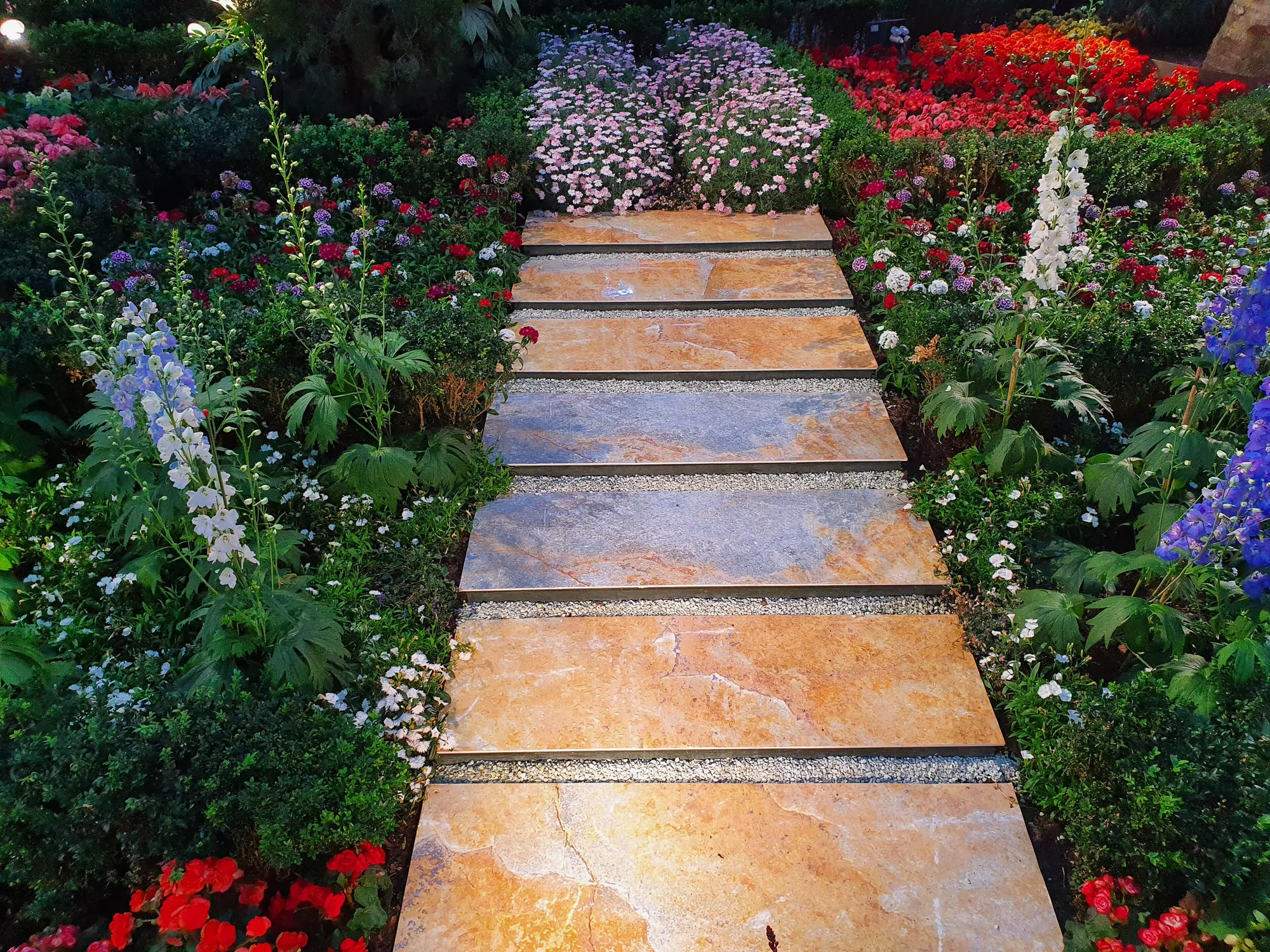
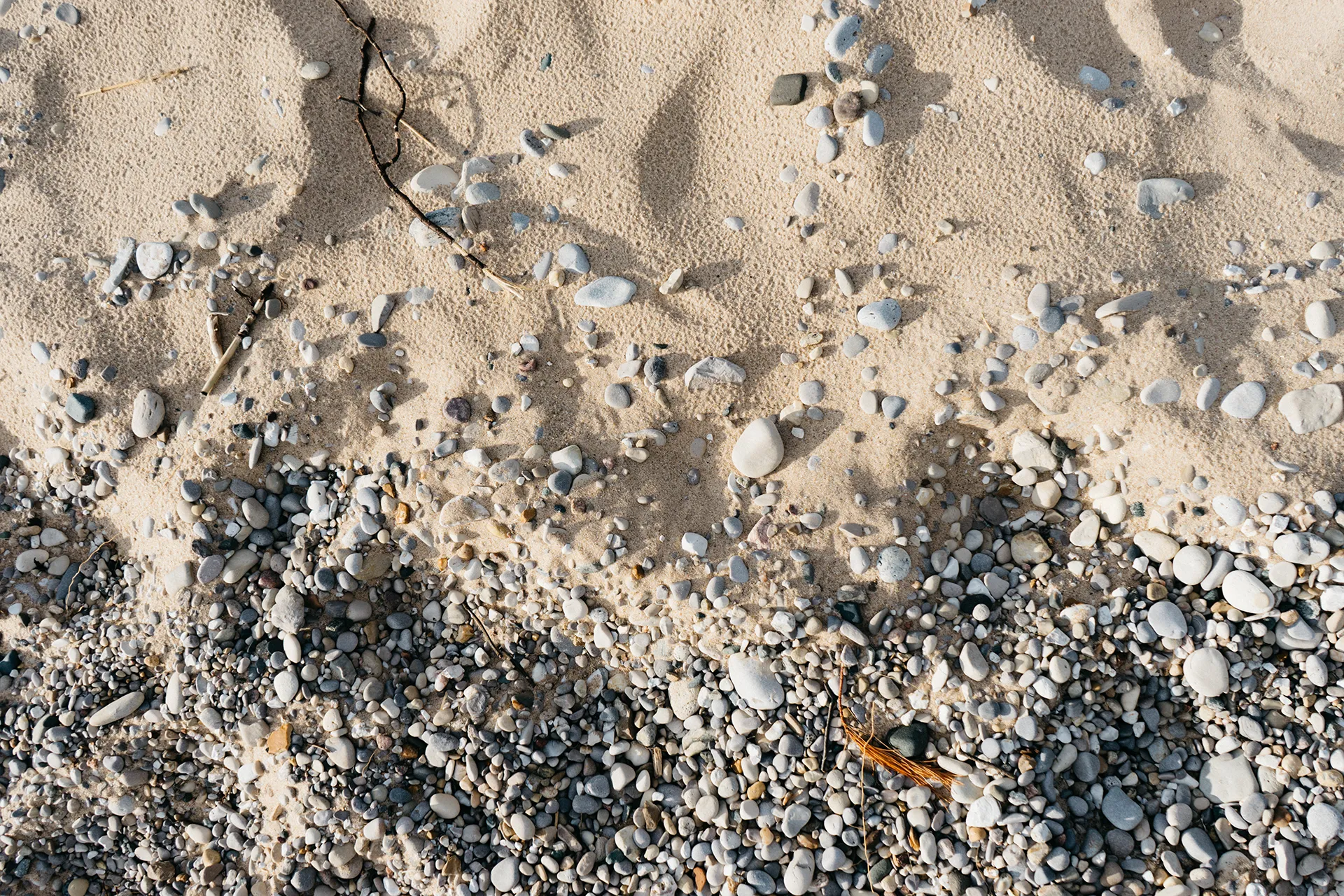
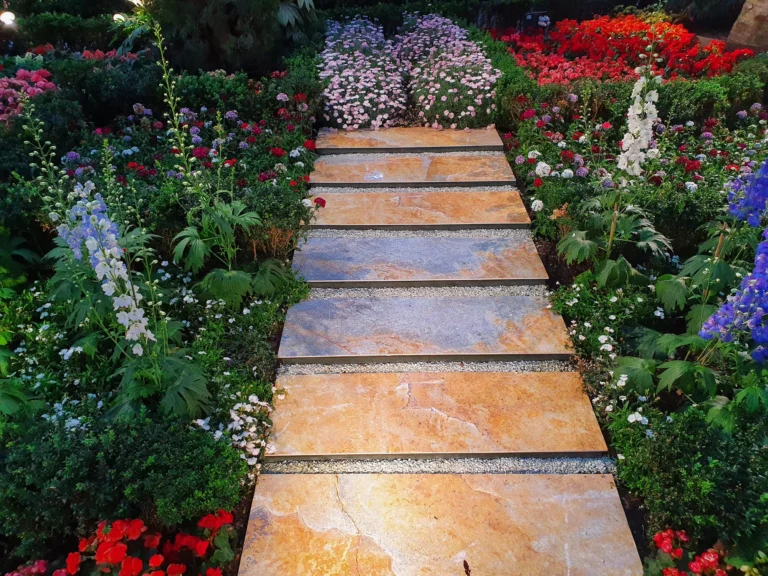
Landscaping stone brings structure and a sense of permanence to gardens. Flagstones form stepping paths and patios, boulders provide focal points, rockery stone builds raised beds and water features, and edging defines planting areas.
Natural stone ages gracefully outdoors and works with planting rather than against it.
Key characteristics
What defines this material.
Blends with planting
Natural colours suit gardens.
Weather resistant
Built to live outdoors.
Many forms
Flagstones, boulders, edging and more.
Low upkeep
Little maintenance once laid.
Common applications
Where landscaping stones is typically used.
Garden paths
Stepping stones and flagstone walks.
Patios
Informal flagstone seating areas.
Rockeries
Alpine and dry-garden planting.
Water features
Pond edges, cascades and fountains.
Retaining walls
Dry-stone and mortared walls.
Focal boulders
Sculptural stones for visual interest.
Common finishes
Finish changes appearance, grip and maintenance.
Natural face
Untreated, weathered look.
Split face
Cleaved edges for walling.
Sawn edges
Neat edges for flagstones.
Tumbled
Softened, smooth edges.
Technical information
Typical ranges for this stone family.
| Common stones | Sandstone, granite, limestone, slate, quartzite |
|---|---|
| Typical forms | Flagstones, boulders, rockery stone, edging (sizes confirmed per enquiry) |
| Key considerations | Colour, weight, handling, frost resistance |
Values are typical for the material family and vary by deposit and block. They are not a guarantee for any specific batch. Request test reports for your project where they are needed.
Project suitability considerations
- Weight: boulders and large flagstones need machinery for handling.
- Colour: pick tones that suit planting and house materials.
- Drainage: plan falls and drainage for patios and paths.
- Safety: choose grippy surfaces for steps and wet areas.
Landscaping Stones images
Reference photographs. Author and licence appear under each image.
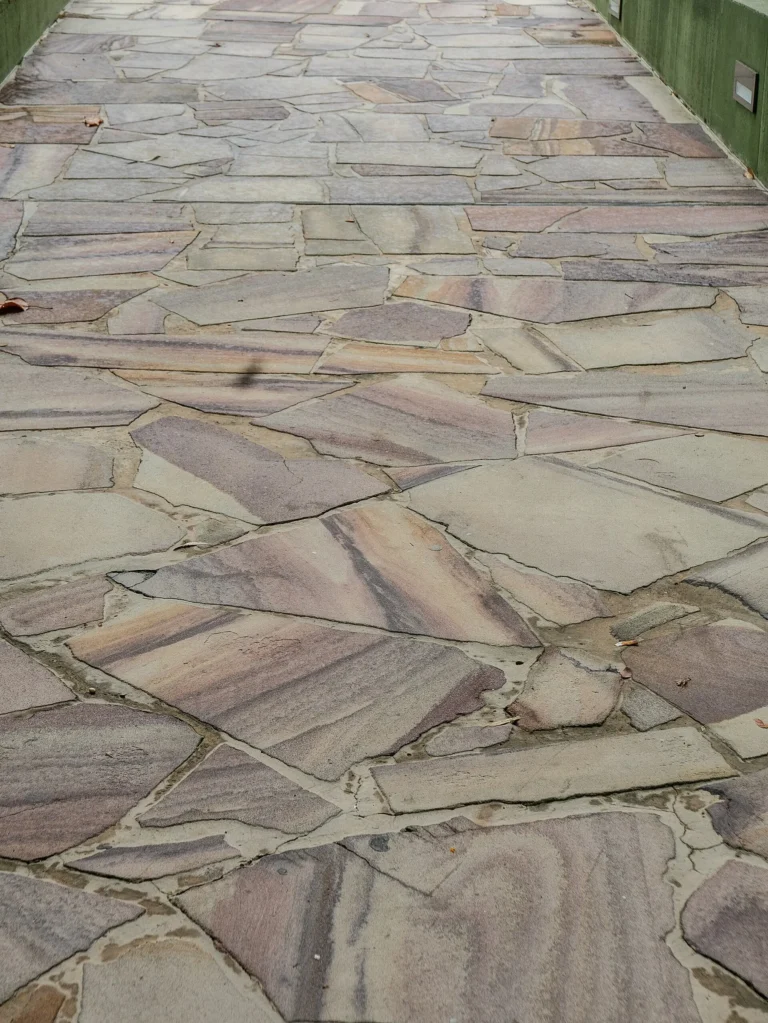
Landscaping Stone Garden Path 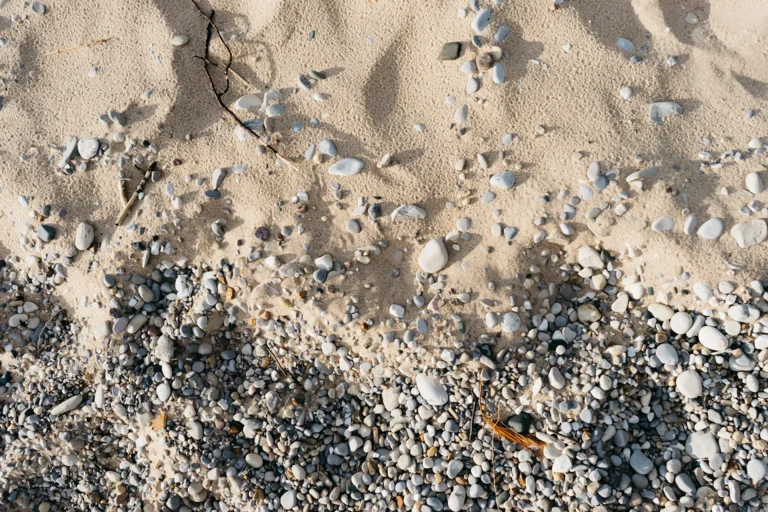
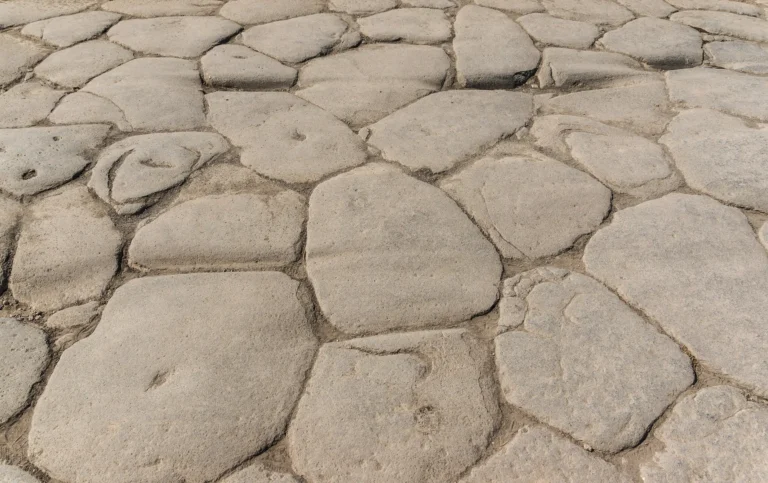
Natural Stone Pebbles
FAQ
Landscaping Stones: buyer questions
Sandstone and slate flagstones are common for their natural grip and tones. Granite suits heavier use.
Bulk and oversized stone can be discussed for your project. Tell us the sizes and quantities.
Usually not. Some owners seal to deepen colour or ease cleaning.
Need Landscaping Stones for a project?
Tell us the format, finish, quantity and destination.
Related
Related natural stones
Explore other materials often considered alongside this one.
Enquire about Landscaping Stones
Tell us the size, finish, quantity and destination. We will confirm availability and send a quotation. Availability is confirmed per enquiry.
Helpful to include
- Stone type, size, thickness and finish
- Approximate quantity and delivery port
- Timeline and any documents you need