

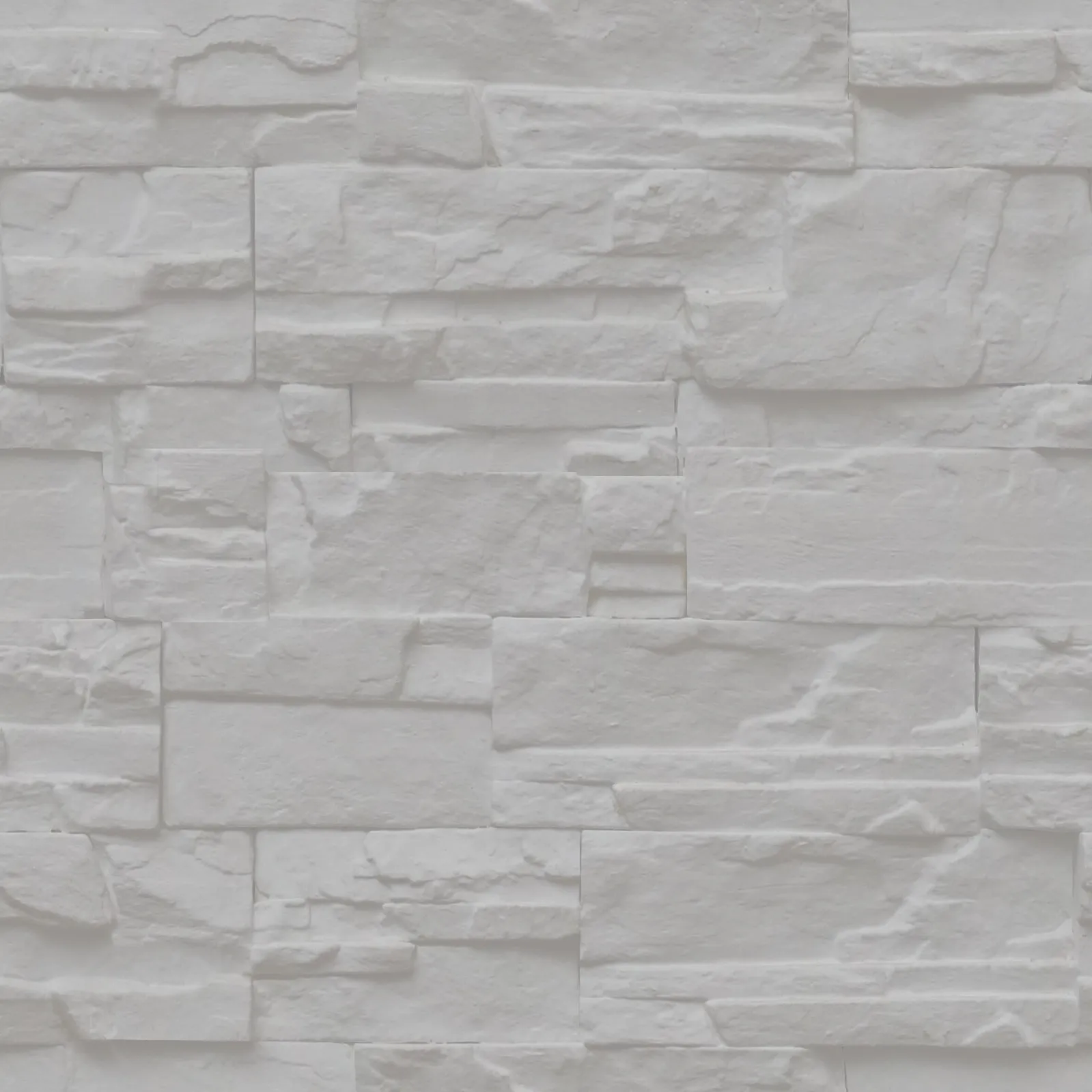
Natural stone
Natural stone wall cladding for interiors and exteriors
Real stone surfaces that add texture, depth and permanence to walls.
Material overview
About Natural Stone Wall Cladding
Natural stone cladding applies a thin layer of real stone to a wall. It can be formed from tiles, panels or split-face stone, and gives buildings the texture and depth of solid stone masonry without its full weight.
Slate, sandstone, limestone, quartzite and granite are all used for cladding, in finishes from smooth and sawn to rugged split-face.
Key characteristics
What defines this material.
Rich texture
Depth and shadow that painted surfaces cannot match.
Durable
Long-lasting wall surface.
Interior and exterior
Suitable for feature walls and facades.
Natural variation
Each wall is unique.
Common applications
Where natural stone wall cladding is typically used.
Facades
Exterior walls of homes and commercial buildings.
Feature walls
Fireplaces, reception walls and accent areas.
Bathrooms and spas
Wet-area walls with suitable stone.
Garden walls
Boundary and retaining walls.
Hospitality interiors
Lobbies, restaurants and bars.
Columns and pillars
Wrapping structural elements.
Common finishes
Finish changes appearance, grip and maintenance.
Split face
Rugged, deeply textured.
Sawn
Clean, contemporary lines.
Honed
Smooth matte surface.
Ledgestone
Stacked narrow strips for a layered look.
Technical information
Typical ranges for this stone family.
| Common stones | Slate, sandstone, limestone, quartzite, granite |
|---|---|
| Typical formats | Panels, tiles, stacked strips (sizes confirmed per enquiry) |
| Key considerations | Weight, fixing method, sealing and weather exposure |
Values are typical for the material family and vary by deposit and block. They are not a guarantee for any specific batch. Request test reports for your project where they are needed.
Project suitability considerations
- Fixing: exterior cladding needs an appropriate adhesive or mechanical fixing system.
- Weight: check that the wall can carry the cladding.
- Sealing: consider sealers for wet or stain-prone areas.
- Joints: allow for movement and drainage on facades.
Natural Stone Wall Cladding images
Reference photographs. Author and licence appear under each image.
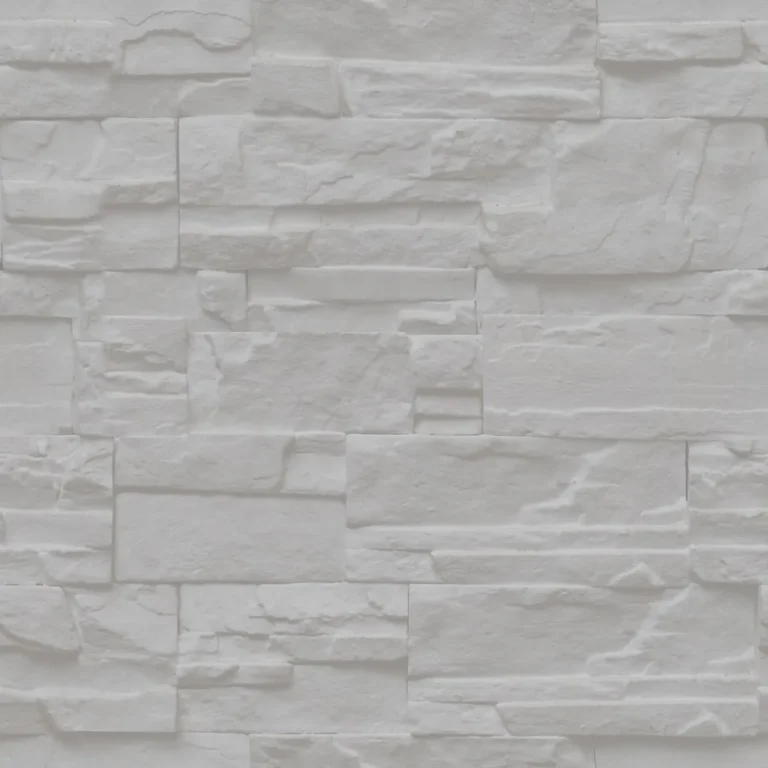
Natural Stone Wall Cladding Surface 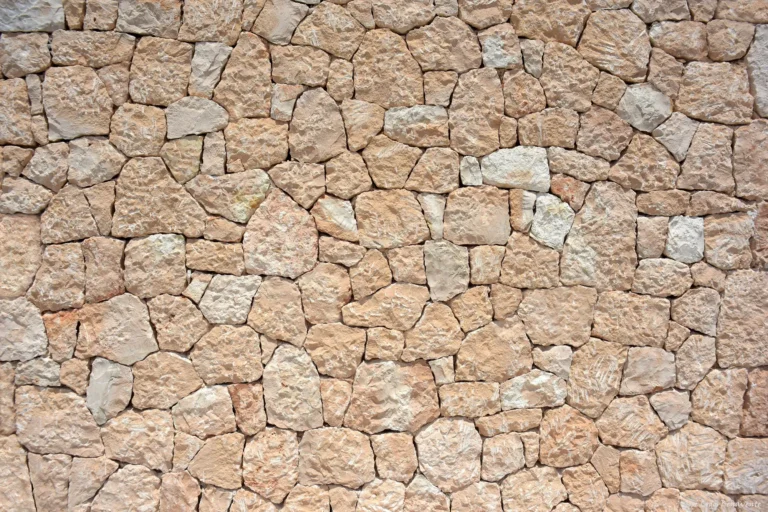
Polygonal Limestone and Sandstone Wall 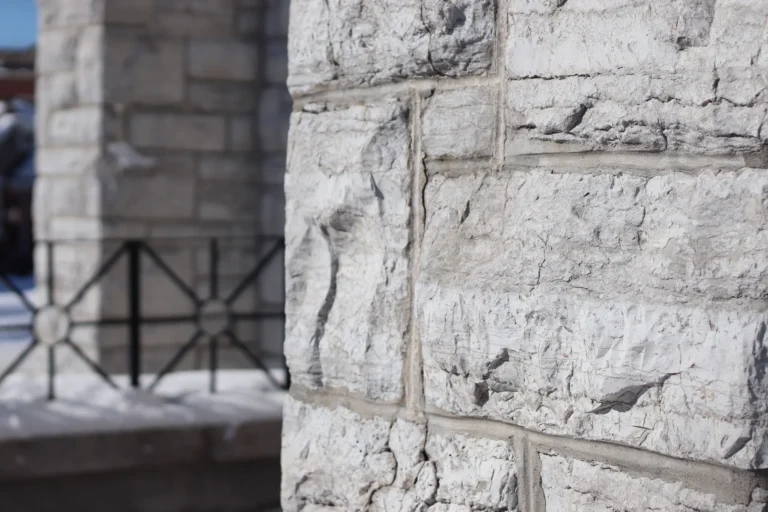
Limestone Facade
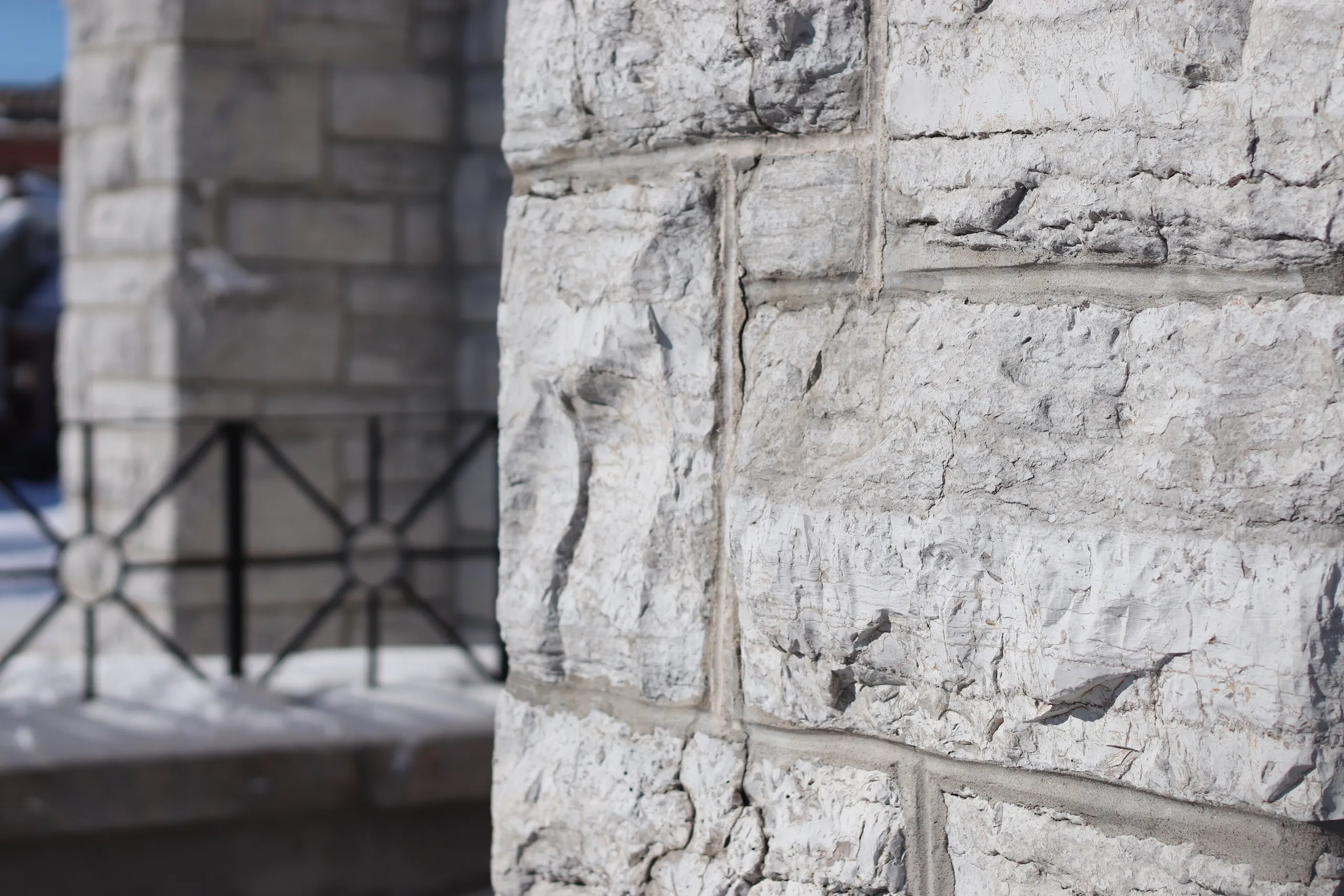
FAQ
Natural Stone Wall Cladding: buyer questions
The terms are often used interchangeably. Both refer to a thin stone layer applied to a wall.
Yes, with suitable stone and fixing. Choose low-absorption stone for harsh climates.
Slate and sandstone are popular for texture; limestone for a calmer look. We can help you choose.
Need Natural Stone Wall Cladding for a project?
Tell us the format, finish, quantity and destination.
Related
Related natural stones
Explore other materials often considered alongside this one.
Enquire about Natural Stone Wall Cladding
Tell us the size, finish, quantity and destination. We will confirm availability and send a quotation. Availability is confirmed per enquiry.
Helpful to include
- Stone type, size, thickness and finish
- Approximate quantity and delivery port
- Timeline and any documents you need