

Natural stone
Limestone: calm, even-toned natural stone
A versatile sedimentary stone for floors, walls and architectural detail.
Material overview
About Limestone
Limestone is a sedimentary rock composed mainly of calcium carbonate, often formed from marine deposits. Its soft, uniform colours, ranging from cream and beige to grey, create a quiet and timeless look.
It is easy to work and has been used in architecture for thousands of years, from walls and floors to carved detail.
Key characteristics
What defines this material.
Soft, even colour
Cream, beige and grey tones with subtle variation.
Easy to shape
Suited to carved and detailed work.
Timeless look
Neutral tones suit many design styles.
Acid sensitive
Care needed with acidic cleaners.
Common applications
Where limestone is typically used.
Interior floors
Living areas, hallways and lobbies.
Wall cladding
Interior and exterior walls.
Fireplaces and surrounds
Mantels and architectural features.
Garden elements
Paving, copings and walls.
Architectural detailing
Columns, window surrounds and ornament.
Public buildings
Facades and interiors.
Common finishes
Finish changes appearance, grip and maintenance.
Honed
Soft, matte surface that suits limestone well.
Brushed
Subtly textured, antique feel.
Tumbled
Softened edges for a rustic look.
Sandblasted
Uniform fine texture with good grip.
Technical information
Typical ranges for this stone family.
| Rock type | Sedimentary (calcium carbonate) |
|---|---|
| Density | About 1.7 to 2.7 g/cm³ |
| Water absorption | Varies, roughly 0.2% to 10% |
| Compressive strength | Varies widely, roughly 20 to 200 MPa |
| Hardness | About 3 to 4 on the Mohs scale |
Values are typical for the material family and vary by deposit and block. They are not a guarantee for any specific batch. Request test reports for your project where they are needed.
Project suitability considerations
- Hardness: softer than granite. Choose dense varieties for floors.
- Cleaning: use pH-neutral cleaners; acids etch limestone.
- Exposure: check absorption and frost resistance for exterior use in cold climates.
- Consistency: approve samples, as tone varies between blocks.
Limestone images
Reference photographs. Author and licence appear under each image.
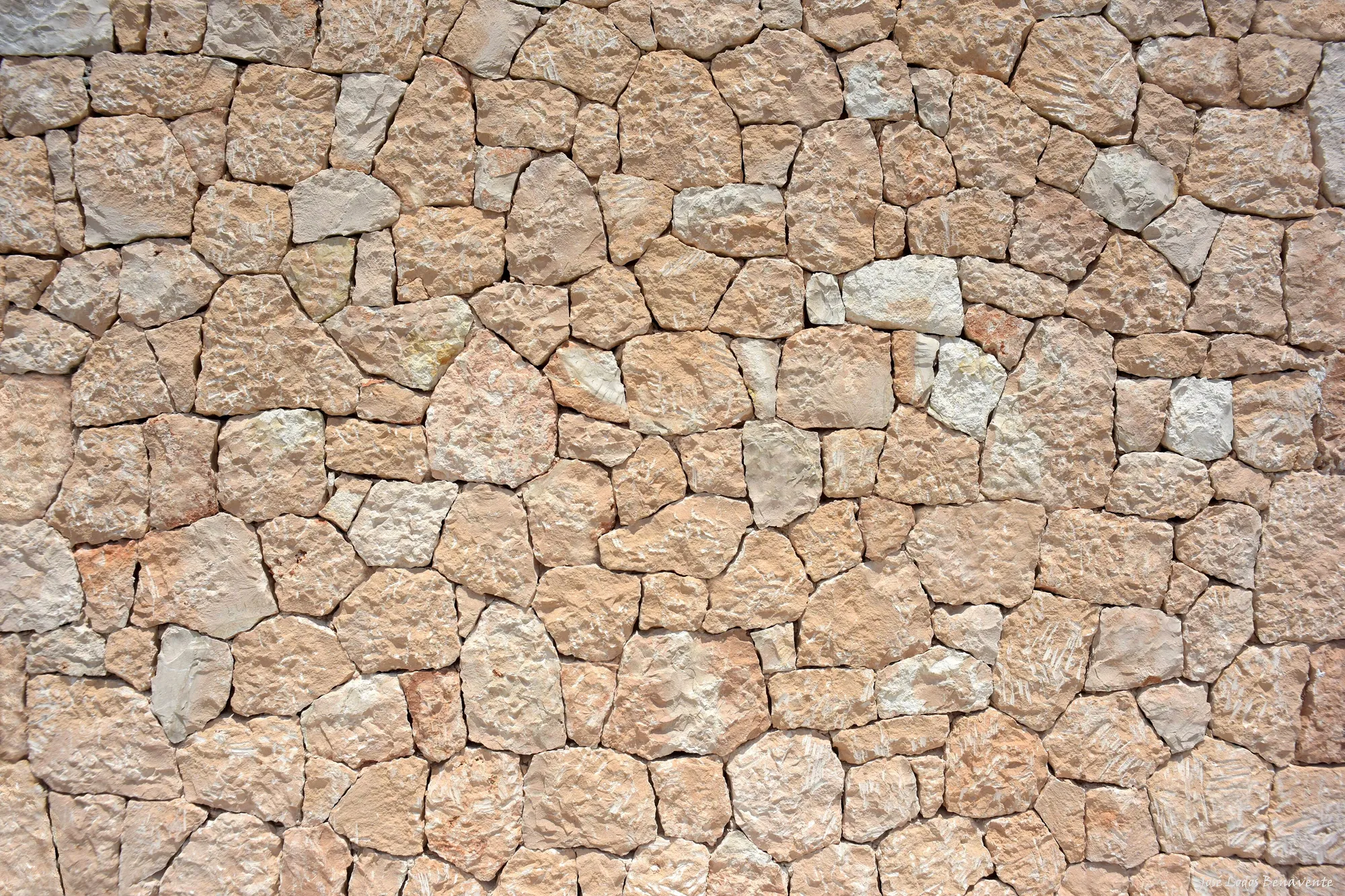
Polygonal Limestone and Sandstone Wall 
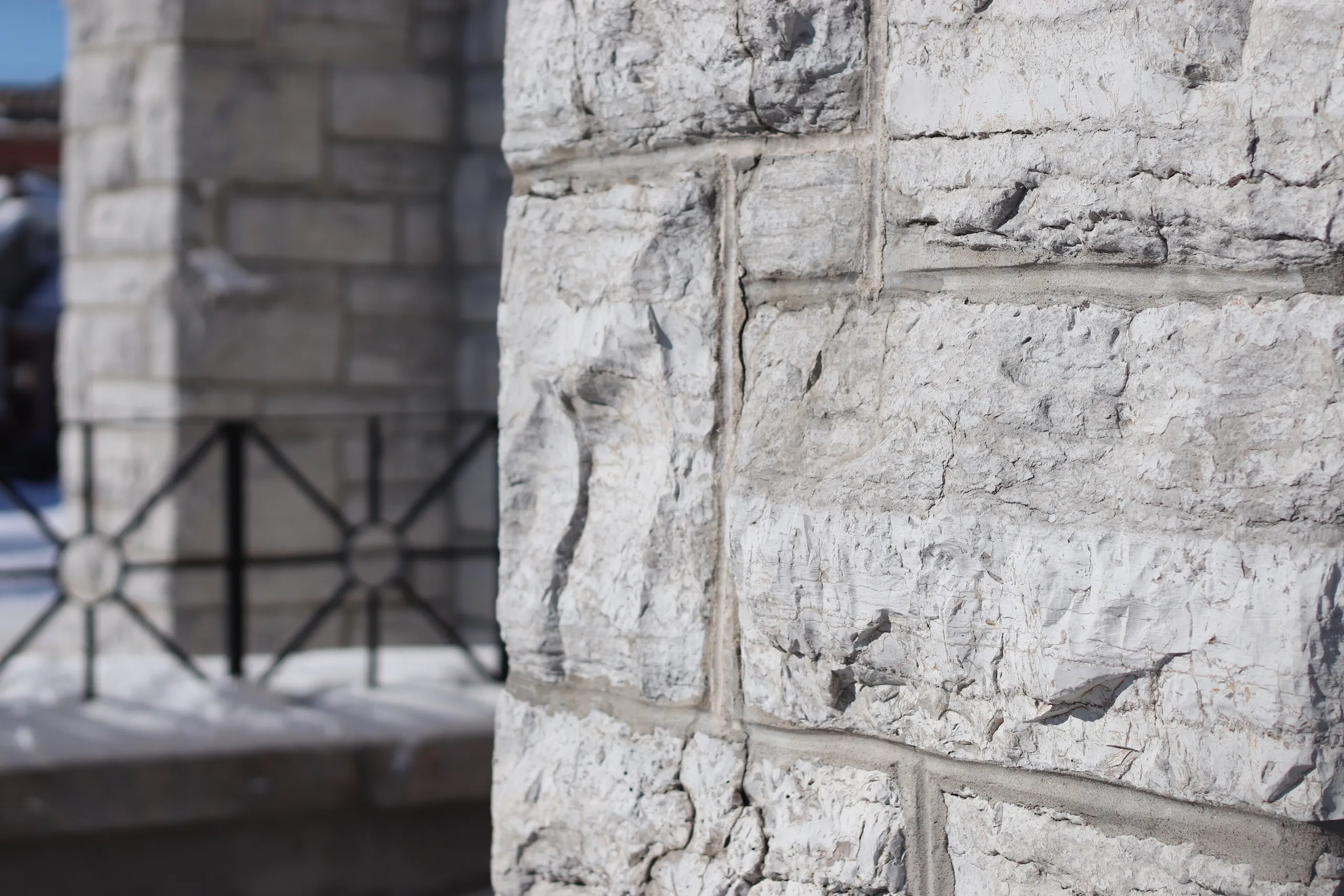
Limestone Facade
FAQ
Limestone: buyer questions
No. Marble is recrystallised limestone. Limestone is typically softer and more uniform, without marble’s dramatic veining.
Dense varieties can, for walls and paving. Check absorption and frost resistance for your climate.
It needs gentle, non-acidic cleaning and, in some uses, sealing. Day-to-day care is simple.
Need Limestone for a project?
Tell us the format, finish, quantity and destination.
Related
Related natural stones
Explore other materials often considered alongside this one.
Enquire about Limestone
Tell us the size, finish, quantity and destination. We will confirm availability and send a quotation. Availability is confirmed per enquiry.
Helpful to include
- Stone type, size, thickness and finish
- Approximate quantity and delivery port
- Timeline and any documents you need