

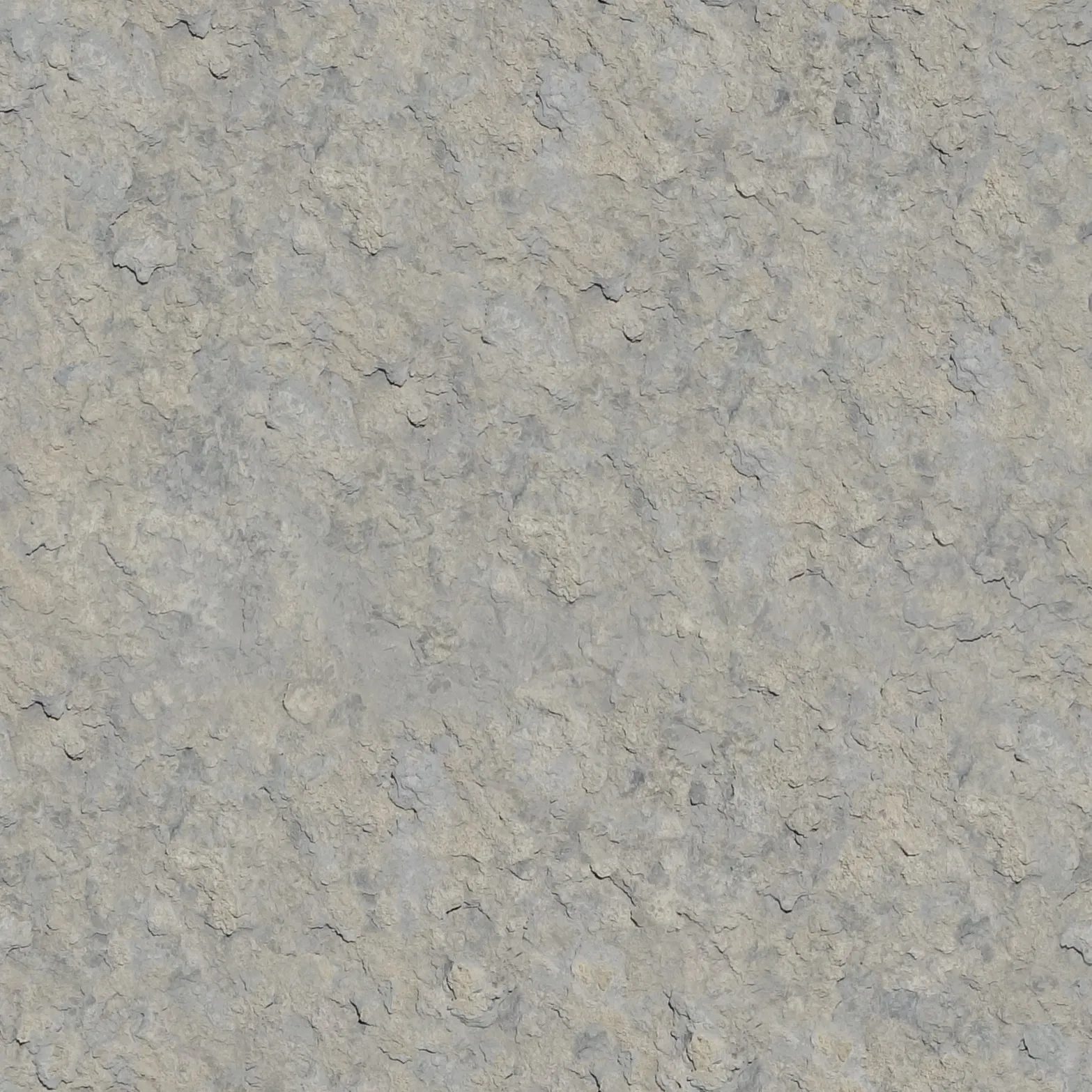
Natural stone
Slate: layered, rustic natural stone
A fine-grained stone that splits into natural layers for roofing, flooring and cladding.
Material overview
About Slate
Slate is a fine-grained metamorphic rock formed from clay-rich sediments. Its defining feature is cleavage: it splits naturally into thin, flat layers, each with a textured face.
Slate is valued for its muted greys, blacks, greens and rust tones, and for a natural, tactile character that suits rustic and contemporary design alike.
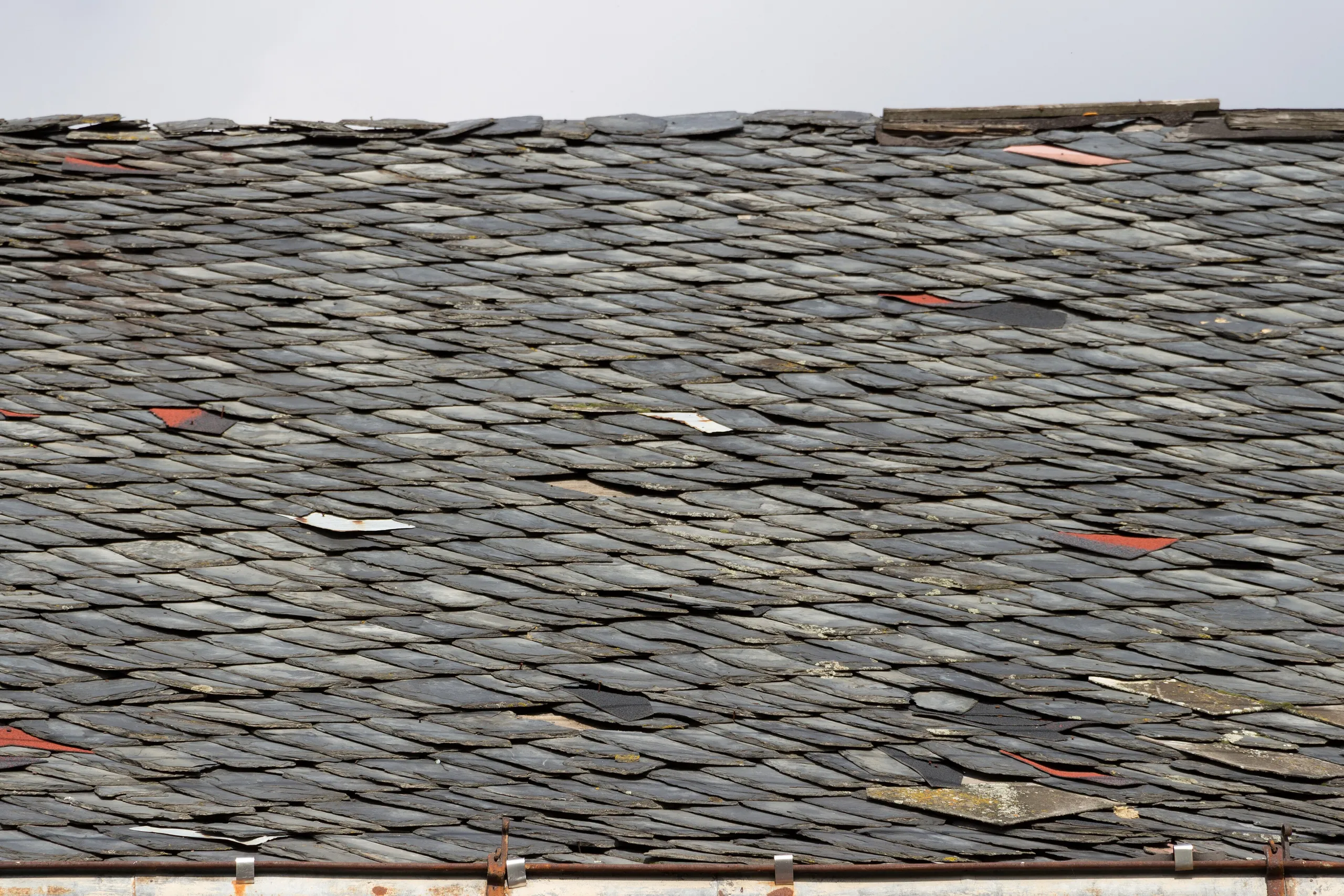
Key characteristics
What defines this material.
Natural cleavage
Splits into flat layers with a textured face.
Low absorption
Resists water and frost when well chosen.
Durable
Long-lasting for floors, walls and roofs.
Earthy tones
Greys, blacks, greens and rusty hues.
Common applications
Where slate is typically used.
Roofing
A traditional, long-lasting roof covering.
Flooring
Entrances, kitchens and bathrooms.
Wall cladding
Feature walls and facades.
Paving
Patios and garden paths.
Table and counter tops
Smooth cut surfaces for interiors.
Decorative use
Garden features and signage.
Common finishes
Finish changes appearance, grip and maintenance.
Natural cleft
Textured split surface with natural undulation.
Honed
Smooth, flat surface.
Brushed
Gently softened texture.
Gauged
Calibrated thickness for easier laying.
Technical information
Typical ranges for this stone family.
| Rock type | Metamorphic (fine-grained) |
|---|---|
| Density | About 2.7 to 2.8 g/cm³ |
| Water absorption | Typically below 0.4% |
| Compressive strength | Typically 100 to 200 MPa (varies with direction) |
| Character | Splits along natural layers |
Values are typical for the material family and vary by deposit and block. They are not a guarantee for any specific batch. Request test reports for your project where they are needed.
Project suitability considerations
- Thickness variation: cleft slate varies in thickness. Ask for calibrated tiles for floors.
- Layering: some types can flake at the surface. Choose proven grades for floors.
- Colour change: some slates shift in tone after installation or sealing.
- Slip resistance: natural cleft faces provide good grip.
Slate images
Reference photographs. Author and licence appear under each image.
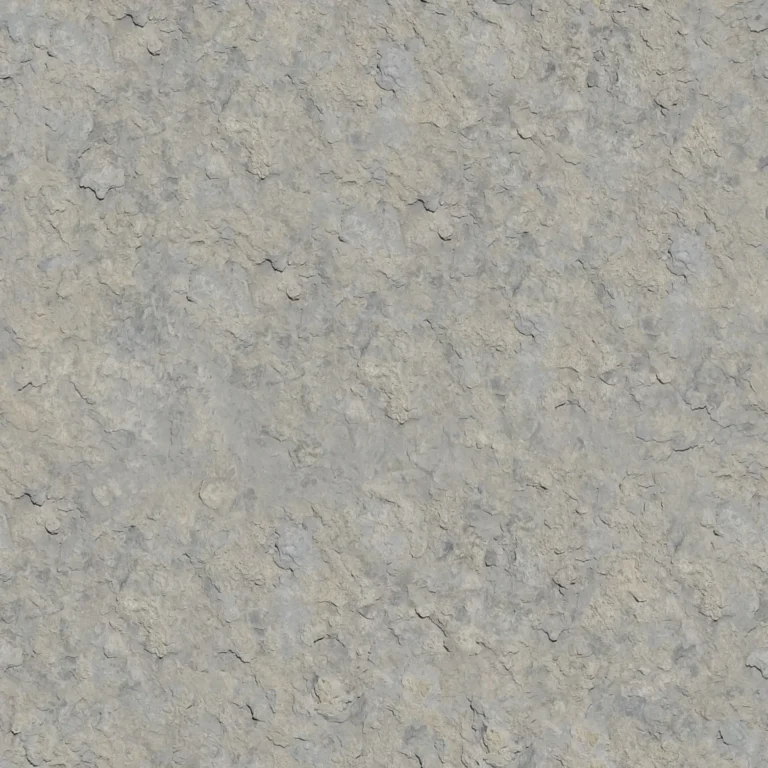
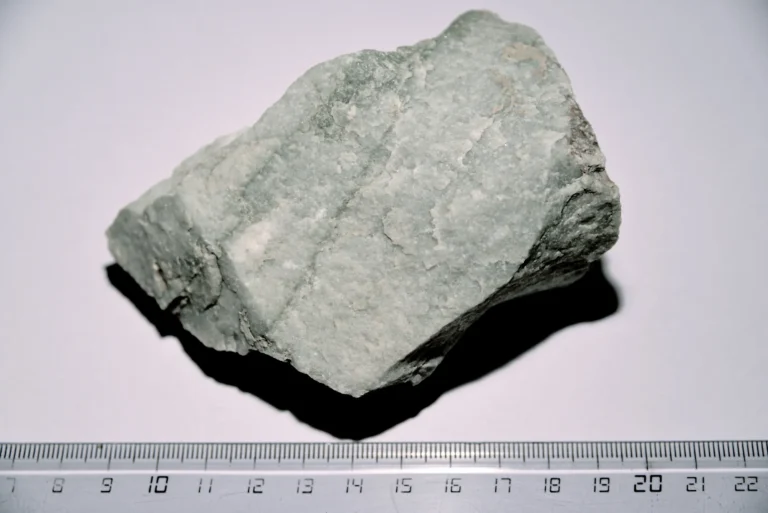
Natural Slate Stone Surface 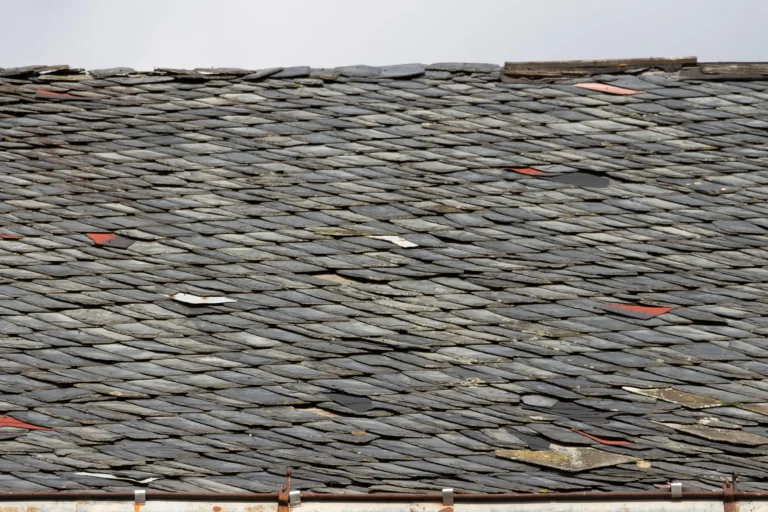
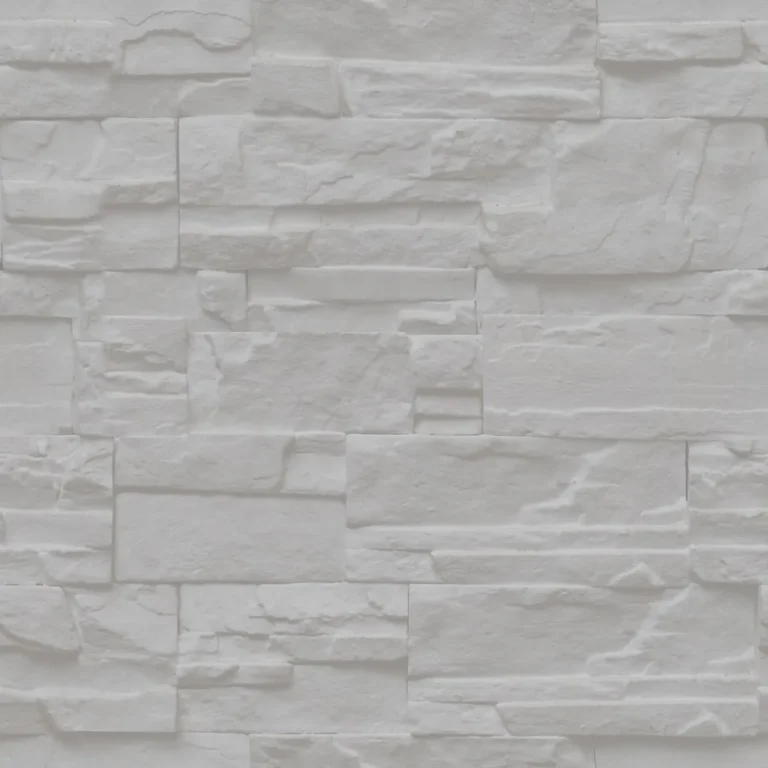
Natural Slate Roof Tiles
FAQ
Slate: buyer questions
Natural cleft slate has a textured surface and generally offers good grip. Honed slate is smoother, so consider the location.
Yes. Its low absorption makes it suitable for patios, paths and roofing.
Sealing is optional. It can enrich colour and make cleaning easier.
Need Slate for a project?
Tell us the format, finish, quantity and destination.
Related
Related natural stones
Explore other materials often considered alongside this one.
Enquire about Slate
Tell us the size, finish, quantity and destination. We will confirm availability and send a quotation. Availability is confirmed per enquiry.
Helpful to include
- Stone type, size, thickness and finish
- Approximate quantity and delivery port
- Timeline and any documents you need