

Solutions
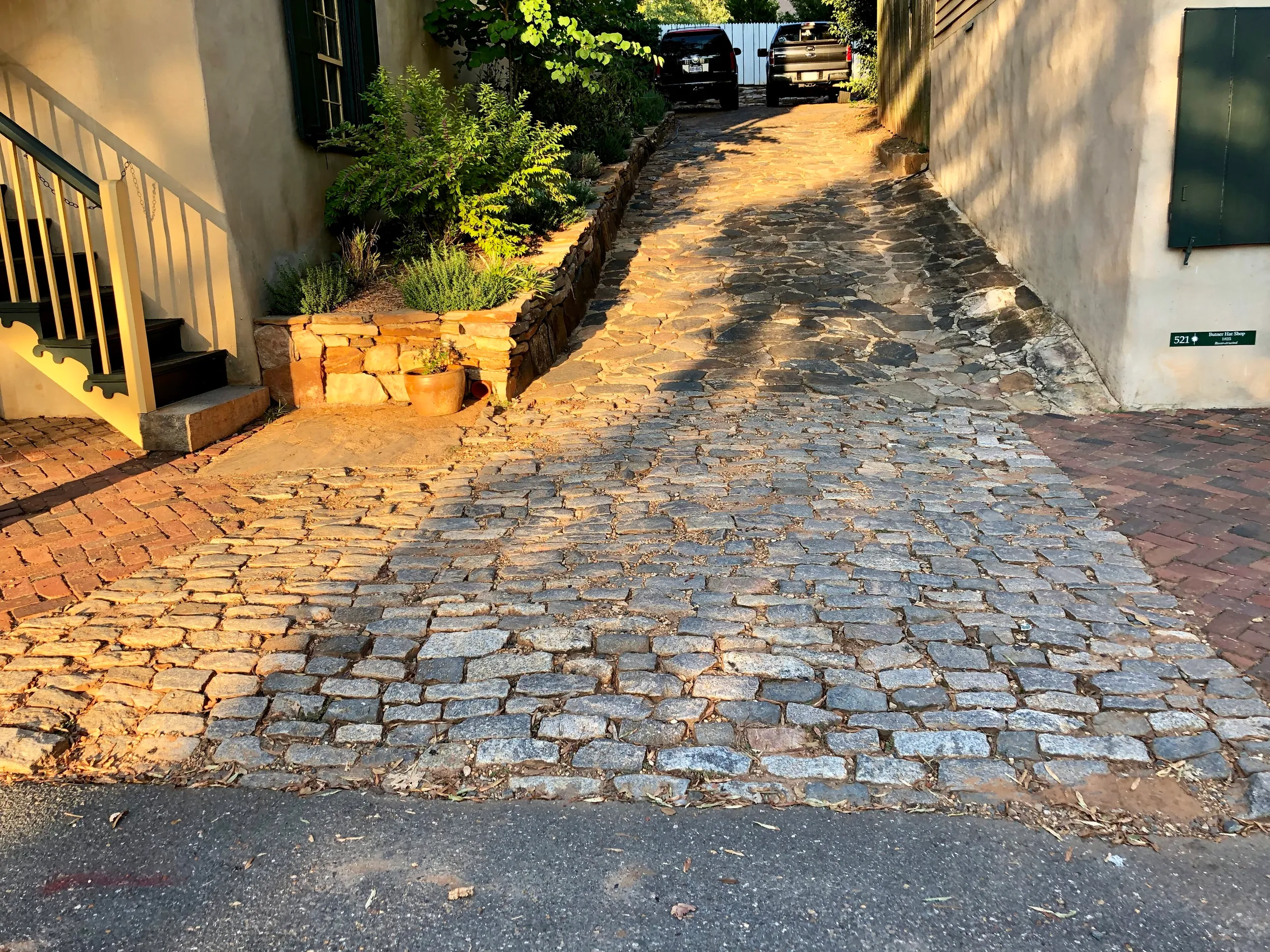
Stone paving and pathways
How to choose and lay natural stone for paths, patios, driveways and plazas.
Overview
Choosing stone for paths and paving
A paved surface is judged by how it feels underfoot and how it looks after years of weather. Natural stone excels on both counts, but the choice of stone, thickness and base matters.
Garden paths can use thin flagstones on a modest base; driveways need thicker pavers and a deep, compacted sub-base. Choose a textured finish where surfaces get wet.
Laying and layout
Decisions that shape the finished surface.
Pattern
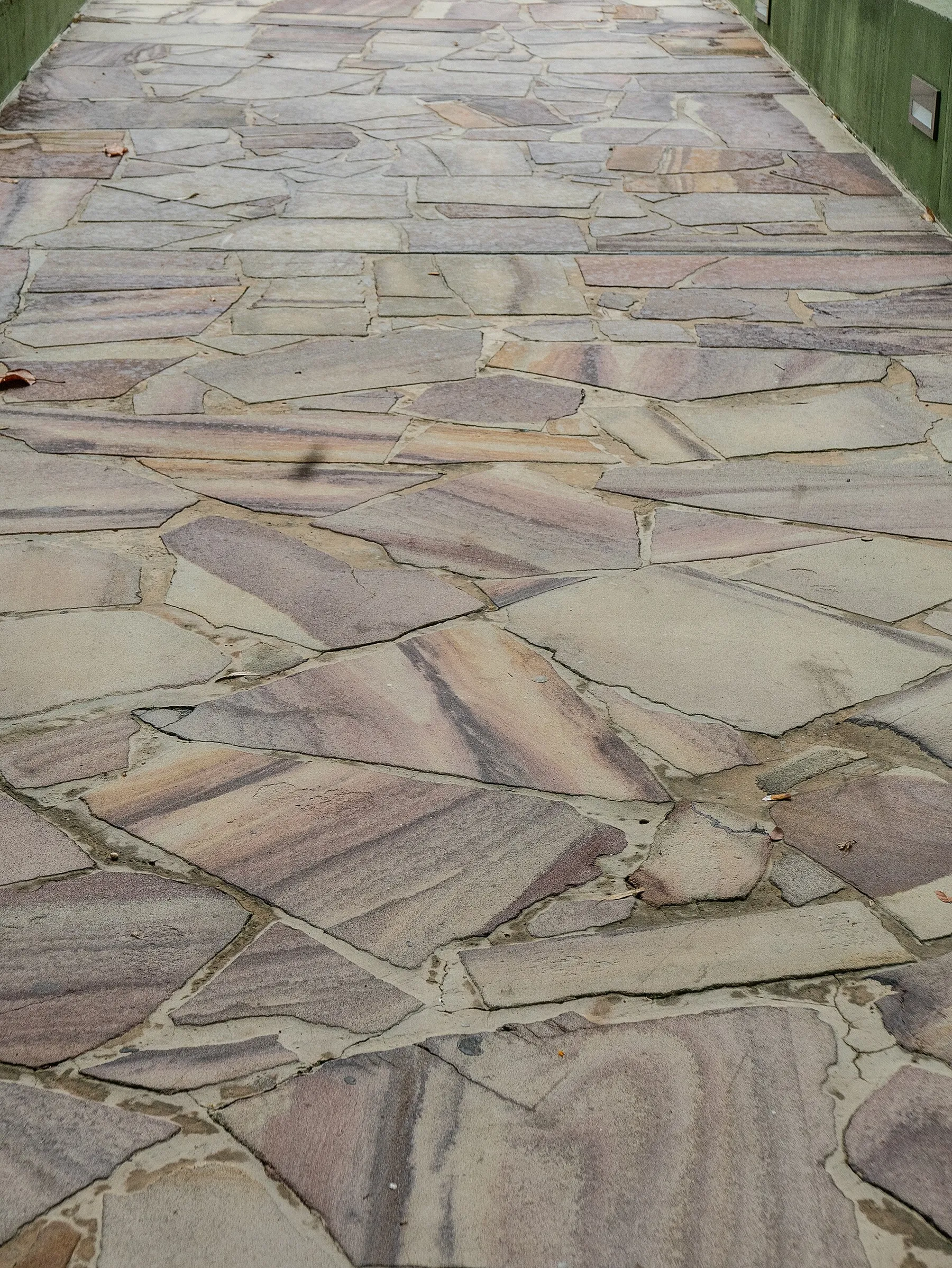
Random, coursed or modular layouts change the look and waste.
Joint width
Joints allow drainage and movement.
Surface texture
Match to wet or dry use and to bare feet.
Base preparation
A compacted, well-drained base prevents settling.
Edge restraint
Kerbs or edging hold the paving in place.
Order planning
Order a margin for cuts and breakage.
Stones to consider
Materials commonly specified for this use.
FAQ
Stone Paving and Pathways: questions
It is common to order a margin for cuts and breakage. The right figure depends on the layout. We can advise per project.
It is optional. Sealing can ease cleaning and deepen colour but may change grip.
Planning paving?
Tell us the area, stone and finish you have in mind.